
.jpeg)
Comprehensive Medication Guide and Clinical Application Reference of Bestivan (Viliru)
Belzutifan (Belzutifan) is a new oral small molecule drug that belongs to HIF-2α (hypoxia-inducible factor-2α) inhibitors are mainly used to treat tumors related to abnormalities in theHIF-2α signaling pathway. Its development targets are tumors related to multiple clear cell renal cell carcinoma (ccRCC), von Hippel-Lindau syndrome (VHL syndrome) and some solid tumors. The advent of bestivan has provided patients with this type of tumor with an important treatment option in addition to surgery and traditional targeted drugs. Its unique mechanism of action and oral convenience have attracted widespread clinical attention.
1. Mechanism of action and clinical application
Bestifan specifically inhibits the activity of HIF-2α and blocks the transduction of downstream tumor-promoting signals, thereby inhibiting the proliferation and angiogenesis of tumor cells. In patients with VHL mutations, HIF-2α is often overactivated due to the loss of VHL protein function, leading to abnormal upregulation of pro-angiogenic factors such as vascular endothelial growth factor (VEGF), promoting rapid tumor growth. By inhibiting HIF-2α, bestifan can restore the balance of these signaling pathways, reduce the rate of tumor proliferation and blood vessel formation, and significantly improve the clinical prognosis of patients.
In clinical studies, bezotivan has shown good efficacy. For example, in a Phase II clinical trial of VHL related tumors, the overall response rate (ORRORR pan>) is about 49%, some patients can achieve complete remission (CR), and most adverse events are mild to moderate and well tolerated. These data suggest that bezotivan is not only suitable for patients who cannot be surgically resected, but can also be used as an adjuvant treatment after surgery to delay the recurrence and progression of lesions.
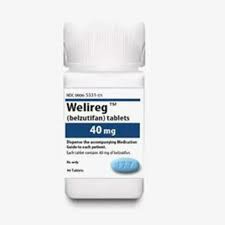
2. Medication dosage and administration method
Bestifan is generally administered orally, once a day, and the recommended dose is 120 mg. The medication time should be fixed, preferably at the same time period, to ensure stable blood concentration. Patients should make individualized adjustments according to their own kidney function, liver function and blood picture under the guidance of a doctor. For patients with combined hepatic and renal dysfunction, it may be necessary to extend the dosing interval or reduce the dose. Clinically, the importance of continuous medication is emphasized and avoidance of arbitrary discontinuation or missed doses is required to maintain the therapeutic effect.
3. Adverse reactions and management
Common adverse reactions of besetifan include anemia, fatigue, nausea, decreased appetite and hypertension, most of which are grade 1~2. For patients with anemia, hemoglobin levels should be monitored regularly, and blood transfusions or erythropoietin should be used if necessary; those with elevated blood pressure should be managed with antihypertensive drugs. At the same time, patients should pay attention to diet and rest to avoid overexertion and infection. Long-term medication also requires attention to liver function, kidney function and electrolyte levels in order to adjust the treatment plan in a timely manner.
4. Combined medication and clinical observation
Besetifan has been used in combination with other targeted drugs or immune checkpoint inhibitors in some clinical studies, showing synergistic anti-tumor effects. In combination therapy, special attention needs to be paid to drug-drug interactions and cumulative risks of toxicity, and clinicians should make adjustments based on individual patient conditions. Regular follow-up includes imaging evaluation, laboratory examination and quality of life assessment, which can effectively observe the efficacy and drug resistance. When resistance occurs, dose adjustment or combination with other treatment options may be considered.
In general, bezotivan provides a new treatment option for patients with VHL related tumors and some solid tumors due to its specific targeting effect, oral convenience and good tolerability. During use, patients should follow the doctor's guidance, reasonably arrange the dosage and medication time, and cooperate with regular monitoring and lifestyle management to achieve the best efficacy and safety. Bestifan has broad clinical application prospects and is expected to become one of the standard regimens for the treatment of HIF-2α-related tumors in the future.
Reference materials:https://www.drugs.com/
[ 免责声明 ] 本页面内容来自公开渠道(如FDA官网、Drugs官网、原研药厂官网等),仅供持有医疗专业资质的人员用于医学药学研究参考,不构成任何治疗建议或药品推荐。所涉药品可能未在中国大陆获批上市,不适用于中国境内销售和使用。如需治疗,请咨询正规医疗机构。本站不提供药品销售或代购服务。


