
.jpeg)
How effective is Vebreltinib? clinical assessment
As a new generation of highly selective MET inhibitors, the efficacy of vebreltinib/vebreltinib has been actively verified in multiple studies around the world. The drug was developed simultaneously in the United States and China by the original research company. It is used to treat patients with tumors with MET exon 14 skipping mutations (METex14) or MET amplification. It has shown significant anti-tumor activity especially in the field of non-small cell lung cancer (NSCLC). Compared with traditional chemotherapy or immunotherapy, boricitinib can specifically inhibit tumor driver gene signals, thereby achieving a "precise blocking" effect and is an important representative of the trend of precision tumor treatment.
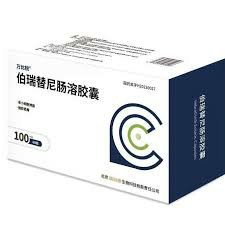
Judging from the public clinical results, bricitinib has demonstrated stable objective response rates (ORR) and durable disease control effects in different indications. In patients with non-small cell lung cancer, boricitinib significantly slowed tumor progression and was equally effective in patients with brain metastases. This is mainly due to the drug's excellent blood-brain barrier penetration ability, which can maintain a stable drug concentration in brain tissue, thus improving the control rate of intracranial lesions. In some patients who are resistant to other MET inhibitors (such as Capmatinib or Tepotinib), bricitinib still shows certain clinical activity, suggesting its potential ability to overcome secondary mutations.
For central nervous system tumors such as brain glioma, the mechanism of action of bripretinib has also attracted great attention. Studies have shown that boricitinib can significantly inhibit the growth of glioblastoma cells with overactive MET signals. Imaging examinations of some patients show that the tumor volume has shrunk or stabilized after treatment. This discovery opens up a new targeted direction for the treatment of central system tumors.
From a safety perspective, bricitinib was generally well tolerated. Common adverse reactions include mild to moderate fatigue, decreased appetite, elevated transaminases, nausea, or rash, most of which can be relieved by dose adjustment or supportive care.
Reference materials:https://www.asymbio.com.cn/
[ 免责声明 ] 本页面内容来自公开渠道(如FDA官网、Drugs官网、原研药厂官网等),仅供持有医疗专业资质的人员用于医学药学研究参考,不构成任何治疗建议或药品推荐。所涉药品可能未在中国大陆获批上市,不适用于中国境内销售和使用。如需治疗,请咨询正规医疗机构。本站不提供药品销售或代购服务。


