
.jpeg)
What are the specific effects and efficacy of bedaquiline/sneril?
The effect of Bedaquiline is mainly achieved by irreversibly inhibiting the ATP synthase of Mycobacterium tuberculosis. This mechanism is different from traditional anti-tuberculosis drugs, making it effective in dealing with drug-resistant tuberculosis. By blocking energy production, bacteria are unable to maintain basic life activities and are killed. In clinical practice, bedaquiline is often used in combination with other anti-tuberculosis drugs, such as rifampin, aminoglycosides or new oral drugs, to form a combination regimen to improve the overall efficacy of drug-resistant tuberculosis treatment.
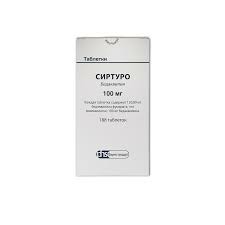
In terms of specific efficacy, bedaquiline can significantly shorten the time for bacteria to turn negative and improve the overall cure rate in patients with multidrug-resistant tuberculosis. After using bedaquiline, the patient's pulmonary infection symptoms such as chronic cough, sputum production and dyspnea were improved, and the quality of life gradually improved. In addition, bedaquiline can help reduce the dosage of other second-line anti-tuberculosis drugs, thereby reducing the incidence of long-term side effects such as liver damage and gastrointestinal discomfort.
Bedaquiline also has clear regulations on clinical safety. Common side effects include mild to moderate nausea, joint pain and temporary increase in liver function indicators. The most concerning thing is prolongation of QT interval, and some patients may develop arrhythmia. Therefore, electrocardiogram assessment is required before treatment and is monitored regularly during treatment. At the same time, because the drug is used in combination with other anti-tuberculosis drugs, doctors will adjust the dosage according to individual circumstances to balance efficacy and safety.
From a global public health perspective, bedaquiline is not only effective in treating drug-resistant tuberculosis, but also indirectly reduces the risk of tuberculosis transmission by shortening the treatment cycle and improving the clearance rate of drug-resistant strains. Multiple clinical studies andWHO guidelines recommend bedaquiline as an important component of first- and second-line regimens for drug-resistant tuberculosis. Especially in resource-limited areas, its application can effectively improve patient prognosis and improve the management of drug-resistant tuberculosis.
Reference materials:https://en.wikipedia.org/wiki/Bedaquiline
[ 免责声明 ] 本页面内容来自公开渠道(如FDA官网、Drugs官网、原研药厂官网等),仅供持有医疗专业资质的人员用于医学药学研究参考,不构成任何治疗建议或药品推荐。所涉药品可能未在中国大陆获批上市,不适用于中国境内销售和使用。如需治疗,请咨询正规医疗机构。本站不提供药品销售或代购服务。


