
.jpeg)
The main differences and applicable analysis between rubitidine (Zanbiga) and rubicatin
Lurbinectedin (Lurbinectedin) is a new type of anti-tumor drug. Its mechanism of action, clinical application and drug properties have attracted widespread attention in recent years. Although sometimes referred to as "rubicatin" in Chinese literature, strictly speaking, rubicatin and the so-called "rubicatin" are not two different drugs, but different translations or market naming differences for the same molecule. To avoid confusion, it is important to clarify that lurbinectedin (Lurbinectedin) is an RNA polymerase inhibitor and DNA combination antineoplastic drug developed by pharmaceutical companies, mainly for patients with small cell lung cancer (SCLC) and other solid tumors.
From a pharmacological mechanism, rubitidine inhibits the proliferation of cancer cells by binding to the helical structure of DNA and blocking the transcriptional activity of RNA polymerase II. At the same time, it can also induce the apoptosis of macrophages in the tumor microenvironment, reduce tumor-related inflammatory responses, and further enhance the anti-tumor effect. This dual mechanism gives it certain advantages in patients who are resistant to traditional chemotherapy, especially in recurrent cases of small cell lung cancer. Clinical studies have shown that it can prolong progression-free survival (PFS) and overall survival (OS) of some patients.
In terms of clinical indications, rubitidine is mainly used for patients with recurrent small cell lung cancer, especially those whose disease has progressed after platinum-based chemotherapy. In the US FDA's approval instructions, the drug is clearly used for SCLC patients who have received at least first-line treatment with platinum-based chemotherapy. In addition to small cell lung cancer, rubitidine has also shown certain efficacy in clinical trials for ovarian cancer, breast cancer and other solid tumors, but it is still in the research stage and has not yet formed a clear approved indication.
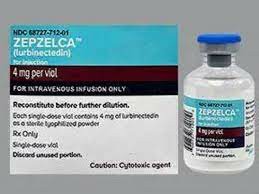
In terms of drug use and safety, rubitidine is administered intravenously, usually once every 3 weeks. The main adverse reactions include bone marrow suppression (neutropenia, thrombocytopenia), fatigue, nausea, vomiting, and abnormal liver function indicators. Due to its bone marrow suppression potential, patients need to regularly monitor their blood levels during medication, and the dosage should be adjusted under the guidance of a doctor. For patients with abnormal liver function, dose adjustment is particularly critical to reduce drug toxicity.
In general, lurbinectedin (Lurbinectedin) and the so-called rubicatin are essentially the same drug, but they are named differently. Its main mechanism of action isDNACombined with RNA polymerase inhibition, it is suitable for patients with recurrent small cell lung cancer, especially those who are resistant to or relapsed with platinum-based chemotherapy. In clinical application, although it has shown certain efficacy, individualized treatment plans still need to be designed based on the patient's blood image, liver function and overall physical condition. At the same time, future research on solid tumors such as ovarian cancer and breast cancer may further expand its scope of indications and provide treatment options for more cancer patients.
Reference materials:https://www.drugs.com/
[ 免责声明 ] 本页面内容来自公开渠道(如FDA官网、Drugs官网、原研药厂官网等),仅供持有医疗专业资质的人员用于医学药学研究参考,不构成任何治疗建议或药品推荐。所涉药品可能未在中国大陆获批上市,不适用于中国境内销售和使用。如需治疗,请咨询正规医疗机构。本站不提供药品销售或代购服务。


