
.jpeg)
Detailed description of the medical insurance reimbursement policy for serputinib/serpatinib
Selpercatinib is a highly selective RET kinase inhibitor, mainly used to treat patients with non-small cell lung cancer ( NSCLC) , thyroid cancer and medullary thyroid cancer (MTC) carrying RET gene fusions or mutations. As a precision-targeted drug, it is regarded internationally as a major breakthrough in the field of RET pathway therapy. However, in the Chinese market, although Seputinib has been approved for marketing by the Food and Drug Administration, it has not yet been included in the National Reimbursement Directory, which also means that patients need to bear all costs when purchasing the drug. According to overseas and domestic market information, the original drug specification of Seputinib is 80mg*56 tablets, and the price per box may exceed RMB 10,000. The economic burden caused by long-term use is relatively heavy.
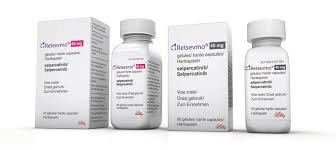
Currently, the main reason why Seputinib has not yet appeared on the medical insurance negotiation list is that it is an innovative drug that has just entered the Chinese market in recent years and is still in the medical insurance review and evaluation stage. The adjustment of the National Medical Insurance Directory is generally based on multiple criteria such as clinical benefit, drug economics, and patient population coverage. Because seputinib treats a relatively rare RET gene-positive cancer and its target population is limited, medical insurance departments usually conduct longer evaluations and negotiations on its cost-effectiveness before inclusion. In addition, pharmaceutical companies often need to go through price reduction negotiations, real-world data verification, etc. to gain the opportunity to enter the medical insurance directory.
For patients who are not covered by medical insurance, some local governments and public welfare projects may launch auxiliary support plans. For example, pharmaceutical companies have set up "patient assistance projects" in some countries to provide a certain percentage of drug subsidies for patients with financial difficulties. In China, there are also medical insurance supplementary policies or commercial insurance plans that have begun to pay attention to the reimbursement needs of such high-priced targeted drugs. As the country attaches great importance to the drug needs of patients with rare mutation cancers, seputinib is expected to make positive progress in medical insurance negotiations in the future.
Reference:https://en.wikipedia.org/wiki/Selpercatinib
[ 免责声明 ] 本页面内容来自公开渠道(如FDA官网、Drugs官网、原研药厂官网等),仅供持有医疗专业资质的人员用于医学药学研究参考,不构成任何治疗建议或药品推荐。所涉药品可能未在中国大陆获批上市,不适用于中国境内销售和使用。如需治疗,请咨询正规医疗机构。本站不提供药品销售或代购服务。


