
.jpeg)
Standard dosage and precautions for serputinib/serpatinib (Ruitu)
Selpercatinib is a highly selective RET tyrosine kinase inhibitor, mainly used to treat patients with tumors carrying RET gene fusions or specific RET mutations, including non-small cell lung cancer (NSCLC), thyroid cancer, medullary thyroid carcinoma (MTC) and other solid tumors. Its clinical application emphasizes precise targeting, and only patients with RET abnormalities confirmed through genetic testing are suitable for treatment with this drug.
Based on the patient's weight and genetic type, doctors will tailor a dosage plan for each patient to achieve optimal efficacy and reduce the risk of side effects. Under normal circumstances, patients weighing less than 50 kg are recommended to take 120 mg orally twice a day; patients weighing 50 kg and above are recommended to take 160 mg orally twice a day, with an interval of about 12 hours between each time, until disease progression or intolerable toxic reactions occur. The oral administration mode not only facilitates long-term maintenance of treatment under home conditions, but also allows patients to manage the treatment process more flexibly.
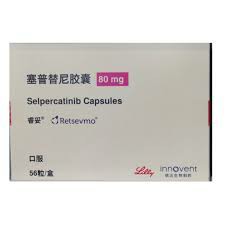
During the use of seputinib, patients need to pay close attention to potential adverse events. First of all, liver function damage is a common focus of monitoring, so liver enzyme indicators need to be checked regularly before and during treatment in order to detect abnormalities in time and adjust the dosage. Second, interstitial lung disease or pneumonia, although rare, can be life-threatening, so any difficulty breathing, worsening cough, or abnormal breathing should be reported to your doctor immediately. In addition, hypertension, QT interval prolongation, bleeding tendency and allergic reactions are all safety issues that need to be closely observed in clinical practice. For some patients, conditions such as hypothyroidism or delayed wound healing may occur, which also require regular evaluation and management during treatment. Although tumor lysis syndrome is rare, vigilance and preventive measures should be taken when necessary in patients with high tumor burden.
In addition, seputinib is metabolized mainly through the liver CYP3A enzyme system. Therefore, patients should avoid concurrent use with strong CYP3A inhibitors or inducers while taking the drug to prevent abnormal increases or decreases in drug concentration, affecting efficacy or increasing the risk of toxicity. There is generally no need for strict restrictions on diet and lifestyle, but you should take medications as directed by your doctor, and review blood pressure, electrocardiogram, liver function and blood routine to ensure safety. If patients experience any abnormal symptoms during treatment, they should communicate with the attending doctor in time so that the dosage can be quickly adjusted or symptomatic treatment measures can be taken.
In general, seputinib provides an important treatment option for patients with tumors with abnormal RET genes due to its highly targeted mechanism. Standardized dosage and safety monitoring are core links to ensure efficacy and reduce risks. Through precise genetic testing, individualized dose adjustment and standardized follow-up, patients can maximize the therapeutic effect within a safe range while reducing the impact of adverse events on quality of life. This makes seputinib not only superior in clinical efficacy, but also provides a more sustainable and scientific long-term treatment strategy for patients with RET-driven tumors.
Reference:https://en.wikipedia.org/wiki/Selpercatinib
[ 免责声明 ] 本页面内容来自公开渠道(如FDA官网、Drugs官网、原研药厂官网等),仅供持有医疗专业资质的人员用于医学药学研究参考,不构成任何治疗建议或药品推荐。所涉药品可能未在中国大陆获批上市,不适用于中国境内销售和使用。如需治疗,请咨询正规医疗机构。本站不提供药品销售或代购服务。


