
.jpeg)
Conditions for medical insurance reimbursement of tucatinib/tucatinib
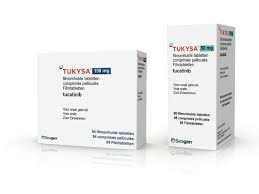
Tucatinib is a representative HER2-targeted oral drug and is considered to be another innovative breakthrough drug after trastuzumab and pertuzumab. It is specially designed for patients with HER2-positive breast cancer and brain metastases. It has good central nervous system penetration and can effectively delay disease progression and prolong patient survival. At present, the drug has been approved by the US FDA and European EMA, and has been included in the recommendations of many international authoritative guidelines. However, in mainland China, tucatinib has not yet been officially launched on the market, and therefore it has not been included in the national medical insurance directory.
Whether medical insurance can be reimbursed mainly depends on whether the drug is approved by the National Food and Drug Administration (NMPA), whether drug price negotiations are completed, and the clinical value evaluation of the drug. Past experience shows that if new anti-cancer targeted drugs have clear efficacy overseas and have high patient demand, the National Medical Insurance Administration will usually prioritize them in the negotiation sequence. For example, HER2 drugs such as trastuzumab and pertuzumab have been gradually included in medical insurance, which provides a policy reference for the future inclusion of tucatinib. At present, relevant domestic institutions have started the registration application process for tucatinib. Once it is launched and passes medical insurance negotiations, its price is expected to drop significantly, and patients can reduce their financial burden through medical insurance reimbursement.
During the period of non-approval, some patients will obtain medicines through overseas medical institutions, international pharmacies or clinical trials. Overseas commercial insurance in some areas can also partially reimburse the drug, but the domestic medical insurance system does not currently recognize such expenses. It is worth noting that China’s medical insurance system has been accelerating the inclusion of innovative anti-cancer drugs in recent years, and the cycle from import approval to medical insurance access has been significantly shortened. For example, in recent years, new targeted drugs such as neratinib and regorafenib have completed medical insurance negotiations. It can be expected that with the further promotion of tucatinib in the global market and the accumulation of more real-world data, it is only a matter of time before it is approved for marketing in China and included in medical insurance.
Reference materials:https://www.tukysa.com/
[ 免责声明 ] 本页面内容来自公开渠道(如FDA官网、Drugs官网、原研药厂官网等),仅供持有医疗专业资质的人员用于医学药学研究参考,不构成任何治疗建议或药品推荐。所涉药品可能未在中国大陆获批上市,不适用于中国境内销售和使用。如需治疗,请咨询正规医疗机构。本站不提供药品销售或代购服务。


