
.jpeg)
Whether sotoracib (AMG 510) needs to be taken for life and the risk analysis of long-term use
Sotorasib (Sotorasib, AMG 510) is the first targeted drug approved for the treatment of KRAS G12C mutated non-small cell lung cancer, bringing new hope to patient groups that previously lacked effective treatments. The drug blocks cancer cell proliferation signals by irreversibly binding to the KRAS G12C protein and has significant clinical efficacy in patients with advanced or metastatic lung cancer. In practice, patients are usually treated with sotoraxib as a second-line or third-line treatment after a confirmed KRAS G12C mutation.
Currently in clinical practice, sotoraxib is usually administered as long-term continuous oral treatment until the patient develops disease progression or is unable to tolerate the drug. There is no preset fixed course of treatment, and there is no clear standard for "stopping treatment after cure". The reason is that the drug is not a radical treatment, but maintains the stability of the disease by continuously inhibiting KRAS signaling. Once the drug is stopped, the tumor may relapse or progress due to reactivation of the signaling pathway, so most patients need to take it for a long time or even close to "lifelong".
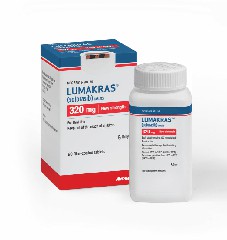
Although sotorasiib is generally well tolerated, long-term use still requires attention to the accumulation of adverse reactions and the risk of chronicity. Common adverse reactions include diarrhea, nausea, elevated transaminases, fatigue, etc. Some patients may experience persistent liver function abnormalities or gastrointestinal discomfort. During long-term treatment, acquired resistance mechanisms may also occur, such as reactivation of KRAS downstream pathways or the emergence of other drug-resistant mutations, leading to a gradual decline in efficacy. Therefore, patients need regular reexamination during long-term medication to monitor liver and kidney function and tumor changes.
For patients taking sotoraxib, doctors should develop individualized long-term management strategies, reasonably arrange follow-up frequency, and promptly adjust treatment plans according to changes in condition. If resistance occurs, combination with other targeted drugs, immunotherapy, or entering clinical trials may be considered. In the future, with the development of a new generation of KRAS inhibitors and combination therapies, the treatment course of sotoraxib may be more flexible, providing patients with longer-lasting and safer treatment effects.
Reference link:https://www.drugs.com
[ 免责声明 ] 本页面内容来自公开渠道(如FDA官网、Drugs官网、原研药厂官网等),仅供持有医疗专业资质的人员用于医学药学研究参考,不构成任何治疗建议或药品推荐。所涉药品可能未在中国大陆获批上市,不适用于中国境内销售和使用。如需治疗,请咨询正规医疗机构。本站不提供药品销售或代购服务。


