
.jpeg)
Detailed analysis of the instructions and medication guide for afatinib (Gitairin)
1. Basic information and mechanism of action of drugs
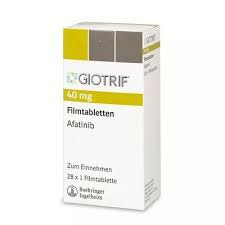
Afatinib is a second-generation oral irreversible EGFR tyrosine kinase inhibitor (EGFR-TKI) developed by Boehringer Ingelheim, Germany, with the trade name Giotrif. The drug is suitable for the treatment of patients with locally advanced or metastatic non-small cell lung cancer (NSCLC) carrying EGFR sensitive mutations (such as Del19, L858R, etc.). Compared with the first-generation EGFR-TKI (such as gefitinib and erlotinib), afatinib not only inhibits EGFR, but also inhibits HER2, HER4 and other receptors at the same time. It has a stronger and more durable inhibitory effect on sensitive mutations before the drug-resistant mutation T790M, so it has shown excellent efficacy in both initial treatment and some re-treatment populations.
Afatinib irreversibly binds to the ATP binding site of the receptor and blocks downstream signaling pathways, thereby inhibiting tumor cell proliferation and differentiation and inducing apoptosis. Its unique molecular action characteristics enable the drug to achieve a higher objective response rate and longer progression-free survival (PFS) in EGFR mutation-positive lung cancer.
2. Indications, usage, dosage and dosage form
1.Indications:
Afatinib is mainly used in the following groups:
First-line treatment for patients with locally advanced or metastatic NSCLC harboring EGFR-sensitizing mutations (exon 19 deletion or L858R mutation);
Retreatment patients who have failed platinum-based chemotherapy and have EGFR mutations;
In some countries/regions, it can also be used for the second-line treatment of EGFR mutation-positive squamous cell lung cancer.
2.Dosage forms and specifications:
Common specifications include 20 mg, 30 mg, and 40 mg tablets, which are taken orally once a day.
3. Recommended dosage:
The initial recommended dose is 40 mg orally daily on an empty stomach (1 hour before meals or 2 hours after meals) until disease progression or intolerable adverse reactions occur. If adverse reactions occur, the dose can be gradually reduced in units of 10 mg, with the minimum dose not less than 20 mg/day. If some patients tolerate it well, they can maintain the original dose or make individual adjustments according to their doctor's judgment.
3. Adverse reactions and precautions
The adverse reactions of afatinib are related to its mechanism of action, and most of them can be controlled through symptomatic and supportive treatment or dose adjustment.
1. Common adverse reactions:
Diarrhea: This is the most common side effect and usually occurs in the early stages of medication. It should be controlled with timely rehydration and oral antidiarrheal drugs (such as loperamide). In severe cases, the dosage should be suspended or reduced.
Rash/Skin Reaction: Manifested as acne-like rash, dryness, itching, etc. Mild cases can use topical ointments, while severe cases require short-term oral antibiotics or suspension of medication.
Stomatitis: often manifests as mouth ulcers or mucosal pain, which can be relieved with topical mouthwashes and analgesics.
Paronychia and nail changes: are chronic skin toxicities that require daily skin care.
Abnormal liver function: Liver enzymes need to be monitored regularly during treatment, especially when other drugs are combined.
2. Serious adverse reactions and treatment:
A very small number of patients may develop interstitial lung disease (ILD), manifested by dyspnea, cough, fever, etc. Once suspected, the drug should be discontinued immediately and symptomatic treatment should be given. In addition, patients with severe diarrhea, dehydration, and electrolyte imbalance need to actively replenish fluids and adjust treatment plans.
3. Medication precautions:
Use with caution in elderly patients or those with renal insufficiency, and dose adjustment may be necessary.
Afatinib is contraindicated during pregnancy and lactation, and effective contraceptive measures should be taken during treatment.
Avoid simultaneous use with strong P-gp inhibitors or inducers, which may affect drug plasma concentrations.
During medication, you should avoid strong sun exposure and pay attention to skin protection.
4. Medication Guide and Patient Management Suggestions
1. Before taking medicine:
Before using afatinib, patients must complete EGFR gene mutation testing to ensure the presence of sensitive mutations. Doctors need to comprehensively assess the patient's underlying diseases, liver and kidney functions, and concomitant medications to formulate an individualized treatment plan.
2. During medication:
It is recommended that patients take medication at a fixed time every day and maintain good compliance;
In the early stages of treatment (the first 4 to 6 weeks), changes in side effects should be closely observed and timely communication should be communicated with the doctor;
Regular review of blood, liver and kidney function and imaging is required to evaluate efficacy and safety.
3. Daily life and diet:
Avoid spicy and greasy foods to prevent aggravation of diarrhea and stomatitis;
Drink more water to maintain body water balance;
Develop good skin care habits and avoid scratching the rash area.
4. Efficacy evaluation and discontinuation:
The efficacy of afatinib can generally be observed within 4 to 8 weeks of treatment. If imaging shows tumor shrinkage or the condition is stable, maintenance treatment will be continued. If the disease progresses or intolerable serious adverse reactions occur, doctors will consider discontinuing the drug or switching to other treatment options (such as third-generation EGFR-TKI).
Afatinib, as a second-generation EGFR-TKI, is an important first-line targeted therapy for patients with EGFR-mutated lung cancer. It has the characteristics of irreversible inhibition and multi-target action, which can bring better curative effect and prolong survival. But at the same time, we need to be wary of common side effects such as diarrhea and rash, and conduct standardized monitoring and management. Patients should maintain close communication with their doctors during the treatment process and follow the principles of individualized medication to achieve the best treatment effect and quality of life.
Reference link: https://www.drugs.com
[ 免责声明 ] 本页面内容来自公开渠道(如FDA官网、Drugs官网、原研药厂官网等),仅供持有医疗专业资质的人员用于医学药学研究参考,不构成任何治疗建议或药品推荐。所涉药品可能未在中国大陆获批上市,不适用于中国境内销售和使用。如需治疗,请咨询正规医疗机构。本站不提供药品销售或代购服务。


