
.jpeg)
A comprehensive comparative analysis of the therapeutic effects and side effects of Anagrelide and hydroxyurea
1. Drug Overview and Mechanism of Action
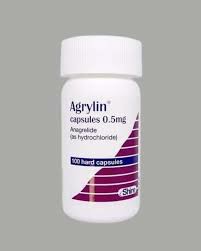
Anagrelide (Anagrelide) is an oral platelet production inhibitor, mainly used to treat essential thrombocythemia (Essential Thrombocythemia, ET). Its main mechanism of action is to selectively inhibit the maturation of bone marrow megakaryocytes and reduce platelet production, thereby reducing the risk of thrombosis and bleeding. Anagrelide does not significantly affect red blood cell or white blood cell production, so it has certain advantages in patients with high blood cell function requirements.
Hydroxyurea (Hydroxyurea) is a classic anti-metabolite chemotherapy drug that blocks the division of rapidly proliferating cells by inhibiting DNA synthesis, thereby reducing the number of platelets, red blood cells and white blood cells. In the treatment of ET, hydroxyurea can effectively control platelet levels and is one of the most widely used first-line drugs in long-term clinical use.
There are differences in mechanism between the two: anagrelide targets platelet production and has a more refined effect; hydroxyurea reduces blood cell numbers through broad-spectrum myelosuppression and therefore may affect multiple blood cell lineages.
2. Comparison of treatment effects
Multiple clinical studies have shown that both anagrelide and hydroxyurea are effective in controlling platelet levels in ET patients, but there are differences.
1.The efficacy of anagrelide is as follows:
About70%-80% of patients can control platelets to normal or close to normal levels under monotherapy;
The attack is controlled quickly and the platelet count can be significantly reduced within a few weeks;
It is especially suitable for some high-risk patients (such as young patients who cannot tolerate hydroxyurea).
2.The efficacy of hydroxyurea is as follows:
The long-term platelet control rate is high and platelets can be stably maintained within the target range;
Clinical studies have shown that it is effective in preventing thrombotic events and bleeding risks;
It is still the drug of choice for high-risk patients (those older than60 years old or with a history of thrombosis).
Overall, anagrelide has advantages in rapidly lowering platelets, while hydroxyurea is more reliable in long-term thrombotic risk control and mature experience. Some guidelines recommend anagrelide for young low-risk patients, while hydroxyurea is still the first choice for high-risk or elderly patients.
3. Side effects and safety comparison
The side effect characteristics of the two drugs are significantly different:
1. Common side effects of anagrelide:
Cardiovascular related: palpitations, increased heart rate, angina pectoris, some patients need to monitor electrocardiogram;
Digestive system: diarrhea, nausea, stomach upset;
Blood system: relatively mild, red blood cells and white blood cells are less affected;
Others: headache, fatigue and other mild to moderate adverse reactions.
Overall, anagrelide has low blood toxicity, but cardiovascular side effects are an issue that needs to be monitored during use.
2.Common side effects of hydroxyurea:
Bone marrow suppression: can lead to a decrease in white blood cells, red blood cells and platelets, requiring regular blood routine monitoring;
Skin reactions: rash, ulcers, or hyperpigmentation;
Long-term risks: Long-term use in a small number of patients may increase the risk of leukemia or other malignant hematological diseases;
Digestive system: nausea, loss of appetite, etc.
Hydroxyurea has significant hematological toxicity, but its cardiovascular risk is low.
In summary, the side effects of anagrelide are concentrated on the cardiovascular system and digestive system, while the main side effects of hydroxyurea are bone marrow suppression and skin toxicity.
4. Clinical application and individualized selection
In clinical application, drug selection should be based on patient age, thrombosis risk, tolerance and comorbid diseases:
1.Anagrelide is suitable for:
Young patients, especially female patients, need to avoid the potential teratogenic risk of hydroxyurea;
Patients with higher requirements on bone marrow function or who are at risk of bone marrow suppression;
Patients who cannot tolerate hydroxyurea.
2.Hydroxyurea is suitable for:
High-risk patients (age>60 years old or with a history of thrombosis) are still the first choice;
Long-term control of platelets and prevention of thrombotic events;
May be used in combination with low-dose aspirin to further reduce the risk of blood clots.
3.Combined or alternative strategies:
For some patients where the efficacy of a single drug is unsatisfactory or the side effects are limited, anagrelide and hydroxyurea may be used alternately or in combination with simultaneous blood routine and cardiovascular monitoring to achieve the best balance between efficacy and safety.
Both anagrelide and hydroxyurea are effective therapeutic drugs for essential thrombocythemia, but they have differences in their mechanisms of action, side effect profiles, and clinical applications. Anagrelide has the advantage of rapid platelet reduction and low bone marrow toxicity, but attention must be paid to cardiovascular risks; hydroxyurea has the advantage of long-term thrombosis risk control and mature experience, but it has bone marrow suppression and potential leukemia risk. Clinically, individual selection should be made based on the patient's age, risk level, and tolerance. If necessary, combined or alternating treatment strategies can be adopted to achieve safe, effective, and sustainable platelet control.
Reference link:https://www.drugs.com
[ 免责声明 ] 本页面内容来自公开渠道(如FDA官网、Drugs官网、原研药厂官网等),仅供持有医疗专业资质的人员用于医学药学研究参考,不构成任何治疗建议或药品推荐。所涉药品可能未在中国大陆获批上市,不适用于中国境内销售和使用。如需治疗,请咨询正规医疗机构。本站不提供药品销售或代购服务。


