
.jpeg)
Application of baricitinib/alemin tablets in the treatment of alopecia areata
Alopecia Areata (Alopecia Areata, AA) is an autoimmune disease. The patient's immune system is abnormally activated and attacks hair follicle tissue, resulting in local or systemic hair loss. The cause of hair loss is complex and involves immune responses mediated by T cells and a variety of cytokine networks. Long-term hair loss not only affects appearance, but may also lead to increased psychological stress, social impairment and even depression. Baricitinib(Baricitinib), as an oral small molecule JAK1/JAK2 inhibitor, can precisely intervene in this signaling pathway and fundamentally regulate abnormal immune responses, thereby improving the hair follicle environment and restoring the hair growth cycle.
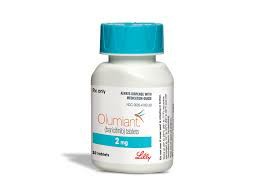
Clinical studies have shown that baricitinib has significant efficacy in the treatment of patients with moderate to severe alopecia areata. For localized patchy hair loss, early signs of hair regeneration can usually be observed with a starting dose of 2 mg per day; for patients with near-complete hair loss or with loss of eyebrows and eyelashes, a starting dose of 4 mg per day is more appropriate to quickly establish effective drug concentration and suppress immune attack. By inhibiting the JAK-STAT signaling pathway, the drug reduces the invasion of hair follicles by pro-inflammatory cytokines (such as IFN-γ and IL-15), and at the same time regulates the immune privilege status of hair follicles, allowing hair follicles to restore normal function. As treatment progresses, hair gradually covers the hair loss area, while maintaining hair color and texture, improving the patient's quality of life.
It is worth noting that baricitinib emphasizes individualized medication and long-term management in the treatment of alopecia areata. The speed of hair regrowth varies from person to person, but visible results usually appear within weeks to months of taking the medication. After achieving a stable therapeutic effect, the dose should be gradually reduced to a maintenance dose, usually 2 mg per day, to reduce potential side effects of long-term medication. During the treatment, the doctor will dynamically adjust the dose based on the patient's hair loss area, hair follicle survival and immune response level, and regularly assess blood images, liver and kidney function and electrocardiogram. Through scientific dose management, the risk of adverse reactions can be reduced while maximizing efficacy.
Reference materials:https://go.drugbank.com/drugs/DB11817
[ 免责声明 ] 本页面内容来自公开渠道(如FDA官网、Drugs官网、原研药厂官网等),仅供持有医疗专业资质的人员用于医学药学研究参考,不构成任何治疗建议或药品推荐。所涉药品可能未在中国大陆获批上市,不适用于中国境内销售和使用。如需治疗,请咨询正规医疗机构。本站不提供药品销售或代购服务。


