
.jpeg)
What is the general cure rate of Bedaquiline/Snaery and what is its effect?
Bedaquiline (Bedaquiline) is one of the key drugs for the treatment of multidrug-resistant tuberculosis (MDR-TB). Its clinical efficacy has been recognized by the World Health Organization (WHO) and public health agencies in many countries. Although the specific cure rate will be affected by various factors such as the patient's basic condition, concomitant medication, and compliance, the overall data shows that bedaquiline combination therapy improves the cure rate and lesion conversion rate of MDR-TB, and is more effective than traditional regimens.
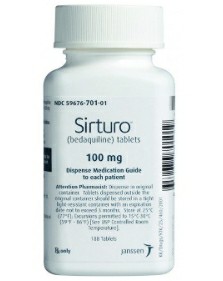
Bedaquiline has a unique mechanism of action. It inhibits the ATP synthase activity of Mycobacterium tuberculosis, making the bacteria unable to synthesize energy, thereby achieving a bactericidal effect. Unlike traditional drugs such as isoniazid and rifampicin, bedaquiline has a completely novel target and therefore can be used in cases that are resistant to conventional anti-tuberculosis drugs. Overseas clinical experience shows that after adding bedaquiline to the combined treatment regimen, the patient's bacterial negative conversion time is significantly shortened, and the long-term cure rate is increased to a high level. The updated guidelines from the World Health Organization also list bedaquiline as the first-line core drug for MDR-TB, and recommend its use in combination with levofloxacin (LFX), clofazimine (CFZ), and linezolid (LZD).
The efficacy of bedaquiline is not only reflected in improving the cure rate, but also in improving patient compliance. As an oral preparation, BDQ reduces the inconvenience of long-term injection therapy in the past and is well tolerated. Some studies have observed that patients experienced significant improvement in lesion absorption and imaging after 24 weeks of continuous treatment. However, bedaquiline cannot be used alone to achieve complete cure. It must be combined with other effective anti-tuberculosis drugs to prevent the re-emergence of drug-resistant strains.
In terms of drug safety, the main focus of bedaquiline is the risk of prolongation of the QT interval in electrocardiograms Therefore, cardiac electrical activity needs to be monitored regularly during medication. Overall, as long as the recommended dosage and treatment duration are adhered to, the risks are controllable and the benefits are obvious.
Reference materials:https://en.wikipedia.org/wiki/Bedaquiline
[ 免责声明 ] 本页面内容来自公开渠道(如FDA官网、Drugs官网、原研药厂官网等),仅供持有医疗专业资质的人员用于医学药学研究参考,不构成任何治疗建议或药品推荐。所涉药品可能未在中国大陆获批上市,不适用于中国境内销售和使用。如需治疗,请咨询正规医疗机构。本站不提供药品销售或代购服务。


