
.jpeg)
Why is it not recommended to take baricitinib/alemin tablets casually?
Although Baricitinib is administered in the form of oral tablets and is easy to use, it is a potent JAK1/JAK2 inhibitor that has extensive regulatory effects on the immune system and multiple signaling pathways, so it cannot be taken casually. The main reasons can be analyzed from four aspects: pharmacological mechanism, adverse reactions, individual differences and disease indications.
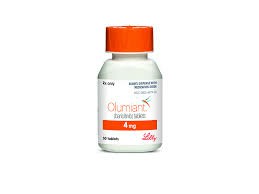
Baricitinib interferes with the activity of immune cells by inhibiting theJAK-STAT signaling pathway. Although this mechanism can suppress autoimmune attacks and reduce inflammatory responses, excessive suppression of the immune system may increase the risk of infections, including respiratory infections, recurrence of herpes zoster, and other opportunistic infections. Especially for patients with low immune function, such as the elderly, those who use immunosuppressants for a long time, or those with chronic diseases, if they adjust the dosage or use it casually, they may cause serious infections or even life-threatening infections.
There are significant differences in recommended doses for different diseases. The dosage range of baricitinib in rheumatoid arthritis, alopecia areata and COVID-19 pneumonia ranges from 2 mg daily to 4 mg daily, and some diseases require short-term high-dose intervention, and some require long-term maintenance of low doses. If patients increase or decrease the dose on their own, it may result in insufficient drug efficacy or increase the risk of adverse reactions. For example, too high a dose may cause blood abnormalities, elevated blood lipids, impaired liver function and even venous thrombosis, while an insufficient dose may not effectively control the autoimmune response, leading to disease recurrence or treatment failure.
The adverse effects of baricitinib are potentially serious. The drug may cause hematologic abnormalities, including decreased white blood cells, lymphocytes, or platelets; elevated liver enzymes; cardiovascular events or thrombosis; and gastrointestinal symptoms. Some patients may also experience mild to moderate edema or fluid retention. The risk increases significantly if medications are taken haphazardly without regular monitoring.
Reference materials:https://go.drugbank.com/drugs/DB11817
[ 免责声明 ] 本页面内容来自公开渠道(如FDA官网、Drugs官网、原研药厂官网等),仅供持有医疗专业资质的人员用于医学药学研究参考,不构成任何治疗建议或药品推荐。所涉药品可能未在中国大陆获批上市,不适用于中国境内销售和使用。如需治疗,请咨询正规医疗机构。本站不提供药品销售或代购服务。


