
.jpeg)
What are the functions and effects of Deflazacort?
Deflazacort is a synthetic corticosteroid drug that belongs to the glucocorticoid family. Its application in the medical field is mainly focused on the treatment of various pathological conditions caused by inflammation, immune abnormalities or specific genetic diseases. As an important drug, deflazacort has demonstrated significant clinical therapeutic effects, especially in the management of some complex diseases.
The mechanism of action of deflazacort is to regulate the expression of various inflammatory mediators and immune responses by binding to intracellular glucocorticoid receptors. This mechanism allows deflazacort to effectively reduce the inflammatory process and suppress the excessive response of the immune system, while protecting tissues from immune damage to a certain extent. This is particularly important for patients with chronic diseases, which are often accompanied by persistent inflammatory states and abnormal responses of the immune system.
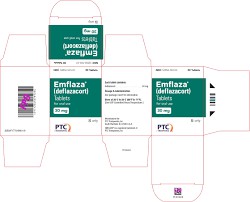
Among its many indications, deflazacort is best known in the treatment of Duchenne Muscular Dystrophy (DMD). Duchenne muscular dystrophy is a hereditary muscle degenerative disease caused by muscle protein defects. The disease causes the patient's muscle fibers to gradually degenerate. As the patient ages, the patient's muscle strength continues to decline, motor function is limited, and may even cause respiratory and cardiac complications. By inhibiting reactions related to muscle inflammation and regulating muscle metabolism, deflazacort can improve patients' muscle performance to a certain extent and delay the progression of disability, although it does not cure the disease. According to multiple studies and clinical experience, deflazacort can significantly extend the maintenance time of patients' ability to move independently, thereby reducing patients' dependence in daily life and improving their quality of life.
In addition to Duchenne muscular dystrophy, deflazacort has shown promising efficacy in a variety of other inflammatory or immune-mediated diseases. For example, the application of deflazacort has demonstrated its unique pharmacological advantages in systemic inflammatory reactions, immune blood diseases, and specific rheumatic diseases. Compared with traditional corticosteroids, deflazacort can control inflammation and immune responses while keeping side effects relatively controllable by optimizing targeting and selectivity. This property makes it an important option for the clinical management of these diseases.
In clinical applications, deflazacort is usually administered orally. The drug is rapidly absorbed and metabolized in the body mainly in the liver. Its half-life is moderate, which is conducive to establishing a regular long-term management plan. However, the effects of deflazacort usually take several weeks to appear, which requires special attention in clinical practice. Its efficacy is affected by many factors, including dosage, duration of treatment, and individual patient differences. Therefore, when formulating a treatment plan, doctors will comprehensively consider the patient's age, disease stage, and concomitant diseases, and formulate an individualized dosage plan to achieve the best treatment effect.
During the long-term use of deflazacort, it is particularly important to regularly monitor blood sugar, bone density, blood pressure and weight changes. This is because common complications of glucocorticoids include osteoporosis, elevated blood sugar, and weight gain, which are all areas that clinicians need to focus on. Through effective monitoring and management, the potential risks caused by the use of deflazacort can be reduced and ensure that patients maintain a good quality of life during treatment.
Reference: https://www.drugs.com/mtm/deflazacort.html
[ 免责声明 ] 本页面内容来自公开渠道(如FDA官网、Drugs官网、原研药厂官网等),仅供持有医疗专业资质的人员用于医学药学研究参考,不构成任何治疗建议或药品推荐。所涉药品可能未在中国大陆获批上市,不适用于中国境内销售和使用。如需治疗,请咨询正规医疗机构。本站不提供药品销售或代购服务。


