
.jpeg)
What is the efficacy and price of Axitinib in the treatment of kidney cancer? Comprehensive analysis of patient voices and problems!
In the world of cancer drugs, efficacy is almost as important as price. If the price of a targeted drug with remarkable efficacy is so high that ordinary families cannot afford it, no matter how good the drug is, it may become a "display". Axitinib (Axitinib, trade name: Inlyta) is such a targeted drug that has attracted much attention.
As an oral small molecule targeted drug, it is known as "the drug that changes the treatment landscape of kidney cancer." Now it has been launched in China and has been included in medical insurance, so patients can buy it in hospitals. But at the same time, its price, generic drug channels, and medical insurance differences are still the most frequently searched questions by patients.
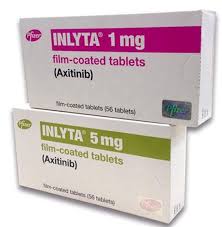
1. What is axitinib? Scientific background and mechanism of action
Axitinib is an oral tyrosine kinase inhibitor (TKI) that mainly acts on three receptors: VEGFR-1, VEGFR-2, and VEGFR-3 . These three receptors are key pathways for tumors to "make blood vessels."
Tumors are like cities, and blood vessels are the roads that support them. If blood vessels continuously transport oxygen and nutrients, cancer cells will multiply wildly; if the "communication lines" are cut off, tumors will shrink due to lack of nutrients. The principle of action of axitinib is to inhibit the VEGF signaling pathway, prevent angiogenesis, and achieve the purpose of "starving" cancer cells.
Compared with first-generation anti-angiogenic drugs (such as sorafenib and sunitinib), axitinib has higher selectivity, which means lower side effects and more focused efficacy. Because of this, it has become an important member of the targeted therapy for advanced kidney cancer.
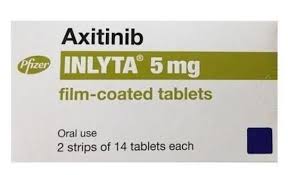
2. What is the efficacy? Clinical data and real patient experience
1. Clinical trial evidence
The most representative clinical trial is the AXIS study.
Subjects: Patients with metastatic renal cell carcinoma who have failed first-line therapy.
Results: The median progression-free survival (PFS) of the axitinib group was 6.7 months, which was significantly better than the control drug sorafenib's 4.7 months.
Objective response rate (ORR): axitinib achieved 19%, while sorafenib only 9%.
Safety: Common side effects include high blood pressure, fatigue, and diarrhea, but most can be controlled by adjusting the dosage.
These data make axitinib a second-line treatment recommended by international guidelines.
2. Combination with immunotherapy
In recent years, the combination of axitinib and PD-1/PD-L1 inhibitors (such as pembrolizumab, avelumab) has been gradually verified to bring significant benefits in first-line treatment. Some studies have shown that combination therapy is better than single drug in terms of objective response rate and survival, and has gradually become the new first-line standard.
3. Voices of real patients
Among domestic renal cancer patients, many patients who have used axitinib said:
"My blood pressure rose a little when I first started taking it. The doctor gave me antihypertensive medication, and now my condition is stable."
"Compared with the targeted drugs I took before, the side effects are milder and I can persist."
"After medical insurance can reimburse me, the psychological pressure is much reduced, otherwise I wouldn't be able to use it."
These real-life experiences show that axitinib is not only effective in clinical trials, but also really benefits patients in real-world treatment.

3. Full price analysis: domestic medical insurance and overseas generic drugs
1. Domestic Price Situation
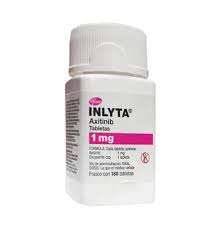
Axitinib has been launched in China, and the price of the imported original drug is more than more than 4,000 yuan/ per box.
After being included in medical insurance, the reimbursement ratio varies from region to region, but in most regions, the actual out-of-pocket amount for patients can be reduced to one to two thousand yuan.
Patients can purchase it at qualified hospital pharmacies with transparent prices and clear reimbursement procedures.
2. Overseas original drug price
In Europe, the United States, Japan, Hong Kong and other places, the price of original research drugs is generally high. One box often costs tens of thousands of yuan, and long-term medication costs may exceed hundreds of thousands of yuan.
For patients without health insurance coverage, long-term affordability is almost impossible.
3. Overseas generic drug prices
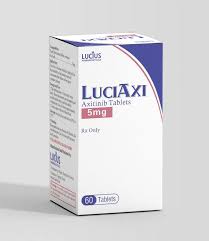
India and Laos have launched generic versions of axitinib.
The price advantage is obvious: a box of generic drugs costs only a few hundred yuan to more than a thousand yuan.
The ingredients are basically the same as the original drug, with the main difference being the production process and regulatory standards.
For patients with limited financial conditions, generic drugs undoubtedly provide a way to survive.
4. The most common practical dilemmas encountered by patients
Dilemma 1: Uneven implementation of medical insurance
Although axitinib has been included in the national medical insurance catalog, the reimbursement ratio varies greatly in different regions. In some places, it can be reimbursed as an outpatient, while in other places, hospitalization is required to reimburse.
Dilemma 2: Unstable supply
Some patients reported that the hospital pharmacy was sometimes out of stock and had to wait or go to other cities to purchase.
Dilemma 3: It is difficult to distinguish the authenticity of generic drug channels
Many patients will look for cheap generic drugs online or through overseas channels, but difficulty in distinguishing authenticity from fake drugs, transportation risks, and doctors' reluctance to guide medication use are common problems.
Dilemma 4: Insufficient management of side effects
Hypertension, fatigue, and gastrointestinal reactions are common side effects. If patients lack professional follow-up, treatment may be interrupted and the efficacy may be affected.
5. Future trends and industry observations
1. Medical insurance negotiations will continue to be optimized
With the continuous updating of the negotiated drug list, the reimbursement scope and proportion of axitinib are expected to further increase.
2.Generic drugs may enter the domestic market
Once it passes domestic approval, patients will be able to buy qualified generic drugs through regular channels, and the price may be lower than now.
3. Combination therapy has broad prospects
The combination of axitinib and immunotherapy has emerged in international guidelines and may become the standard first-line regimen in the future.
4.Real-world big data accumulation
As the user population expands, more real-world data from Chinese patients will help doctors optimize medication plans.
6. Conclusion: Triple balance of efficacy, price and accessibility
Axitinib is a well-validated targeted drug:
In terms of efficacy, it brings more opportunities for patients with advanced kidney cancer to control their disease.
In terms of price, it reduces the financial pressure on most patients through medical insurance negotiations.
In terms of accessibility, it has both stable channels for original drugs and low-priced supplements of overseas generic drugs.
In the future, with the improvement of medical insurance and the introduction of generic drugs, axitinib is expected to truly become a "inclusive drug", allowing more patients to buy time in the race of life and death.
xa0
References
1.Rini BI, Escudier B, Tomczak P, et al. AXIS: Axitinib versus sorafenib in advanced renal cell carcinoma. Lancet. 2011.
2.National Medical Insurance Administration: Drug Catalog Update Announcement http://www.nhsa.gov.cn
3.Pfizer Inlyta (Axitinib) prescribing information https://www.pfizer.com
4.CSCOGuidelines for Diagnosis and Treatment of Kidney Cancer http://www.csco.org.cn
5.Real-world experiences shared in Chinese RCC patient communities
[ 免责声明 ] 本页面内容来自公开渠道(如FDA官网、Drugs官网、原研药厂官网等),仅供持有医疗专业资质的人员用于医学药学研究参考,不构成任何治疗建议或药品推荐。所涉药品可能未在中国大陆获批上市,不适用于中国境内销售和使用。如需治疗,请咨询正规医疗机构。本站不提供药品销售或代购服务。


