
.jpeg)
Which special groups is suitable for seripalase (BRINEURA) and its safe medication guidelines?
1. Overview of Drugs
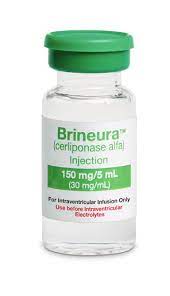
Seripase (BRINEURA, common name: Cerliponase alfa) is a recombinant human neuron-specific lysosomal enzyme, which is an enzyme replacement therapy (ERT) drug. It is mainly used to treat infantile or young children's CLN2 neuronal zero body dystrophy (Neuronal Ceroid Lipofuscinosis Type 2, referred to as CLN2 disease). CLN2 disease is a rare hereditary lysosomal storage disease caused by mutations in the TPP1 gene leading to enzyme deficiency, which causes the accumulation of abnormal substances in lysosomes, causing neurodegeneration and motor and cognitive dysfunction.
BRINEURABy directly supplementing the missing TPP1 enzyme, it can restore part of the enzyme activity in the central nervous system, thereby delaying the progression of neurodegeneration. The drug is administered by intracerebroventricular injection (intracerebroventricular, ICV)** by a specialized medical institution, through surgical implantation of a ventricular catheter and regular infusion. This method of administration ensures that the enzyme can act directly on neurons in the brain, which is a key feature that significantly distinguishes it from traditional intravenous or oral therapies.
2. Applicable to special groups of people
1.Pediatric patients
BRINEURAis mainly suitable for CLN2 type patients aged between 3 months and 6 years old. At this age, the nervous system still has some plasticity, and early intervention can significantly delay the loss of motor and language abilities. Research shows that timely use of BRINEURA can delay disease progression, improve patients' quality of life, and slow the decline in daily living abilities.
2.Patients with abnormal liver and kidney function
SinceBRINEURA is an intracerebroventricular injection drug, its systemic exposure in the body is low, but the tolerance of patients with abnormal liver and kidney function still needs to be paid attention to. Patients with hepatic and renal insufficiency should use it with caution under the guidance of a specialist and undergo regular monitoring to avoid potential complications.
3.Patients with special immune systems
Some children may have immune system deficiencies or be taking immunosuppressive drugs. Since BRINEURA is a recombinant protein drug, there is the possibility of producing anti-drug antibodies (ADA). Children with low immune function or autoimmune diseases should conduct risk assessment before use, and immune responses and allergic symptoms need to be closely monitored during treatment.
4.Early diagnosis and patients with family history
Early intervention is particularly critical for patients with a family history of CLN2 disease or early diagnosis through genetic screening. Even if the patient has not yet developed obvious neurodegenerative symptoms, BRINEURA treatment can be performed under the evaluation of a specialist to delay the progression of the disease.
3. Safe Medication Guide
1.Administration methods and operating specifications
BRINEURAMust be administered by intracerebroventricular injection by a trained neurologist or pediatric neurologist. The first dose is usually given in a hospital setting with general anesthesia or sedation. Patients' families should understand the operating procedures, potential risks, and emergency treatment methods. The dosing cycle is once every two weeks, and long-term maintenance treatment is required.
2.Infusion-related risk management
Common infusion-related adverse reactions include fever, vomiting, headache, injection site infection, or catheter-related complications. To reduce risk, local disinfection, catheter maintenance, and general health assessment should be performed before administration. If you have high fever, persistent vomiting, or blocked catheters, seek medical attention immediately.
3.Immune monitoring
During the use of BRINEURA, children may develop anti-TPP1 antibodies, which may affect the efficacy or cause allergic reactions. It is clinically recommended to regularly monitor serum anti-TPP1 antibody levels. If a significant immune response occurs, the dosage regimen needs to be adjusted or symptomatic treatment needs to be taken.
4.Combined medication and supportive care
BRINEURADuring treatment, symptomatic treatment can be carried out according to the patient's symptoms, such as anti-epileptic drugs, physical therapy, rehabilitation training, etc. Families should avoid adding medications that affect central nervous system function on their own, and promptly report all medications they are taking to their doctors to prevent potential drug interactions.
5.Long-term management and follow-up
Patients should undergo regular neurological evaluations, motor and language development tests, and brain imaging after taking BRINEURA. Follow-up not only monitors efficacy but also allows early detection of catheter- or infusion-related complications. Family members should cooperate with the hospital to establish complete treatment files for long-term management.
Seripase (BRINEURA) provides the first targeted enzyme replacement therapy for patients with CLN2 neuronal zero body dystrophy, significantly improving the rate of disease progression. It is suitable for special groups including children aged 3 months to 6 years old, patients with abnormal immune function, patients with limited liver and kidney function, and patients with early diagnosis. The safe medication guidelines emphasize intracerebroventricular injection operating procedures, infusion-related risk monitoring, immune monitoring and long-term follow-up. Through standardized management, BRINEURA can delay the progression of neurodegeneration, improve the quality of life of pediatric patients, while minimizing potential adverse reactions, providing an important option for the treatment of rare neurodegenerative diseases.
Reference link:https://www.drugs.com
[ 免责声明 ] 本页面内容来自公开渠道(如FDA官网、Drugs官网、原研药厂官网等),仅供持有医疗专业资质的人员用于医学药学研究参考,不构成任何治疗建议或药品推荐。所涉药品可能未在中国大陆获批上市,不适用于中国境内销售和使用。如需治疗,请咨询正规医疗机构。本站不提供药品销售或代购服务。


