
.jpeg)
Targets and mechanisms of action of lenvatinib/lenvatinib (Lenvima)
Lenvatinib is a multi-target receptor tyrosine kinase (RTK) inhibitor, mainly used to treat a variety of solid tumors such as advanced renal cell carcinoma, unresectable hepatocellular carcinoma, radioactive iodine-refractory differentiated thyroid cancer, and advanced endometrial cancer. As a targeted therapy drug, lenvatinib inhibits tumor growth, angiogenesis and metastasis by acting on multiple signaling pathways simultaneously, demonstrating broad-spectrum and precise anti-cancer potential.
From a molecular mechanism perspective, lenvatinib mainly inhibits the tyrosine kinase activity of vascular endothelial growth factor receptors (VEGFR1, VEGFR2, and VEGFR3). VEGFR signaling plays a central role in the process of tumor angiogenesis, providing nutrients and oxygen to tumors by stimulating the formation of new blood vessels. Lenvatinib's inhibition of VEGFR not only blocks tumor blood vessel formation, but also reduces vascular permeability in the tumor microenvironment, thereby inhibiting the rapid growth and spread of tumors. Compared with traditional single-target inhibitors, this multi-target effect makes it more difficult for tumor cells to evade treatment through bypass signaling.
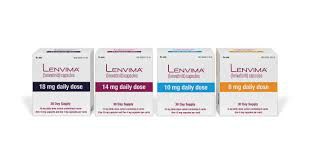
In addition toVEGFR, lenvatinib also targets multiple receptor kinases such as fibroblast growth factor receptor (FGFR1-4), platelet-derived growth factor receptor alpha (PDGFRα), RET and KIT. FGFR signaling plays a key role in tumor cell proliferation and drug resistance development, and PDGFRα is closely related to tumor stroma and angiogenesis. RET and KIT affect cell growth and migration in specific tumor types. This broad-spectrum inhibitory effect means that lenvatinib can not only directly inhibit tumor cell proliferation, but also destroy the tumor microenvironment and weaken the tumor growth conditions, thereby achieving multi-dimensional anti-cancer effects.
In clinical application, lenvatinib has shown synergistic effects when combined with immune checkpoint inhibitors (such as pembrolizumab) or other targeted drugs. For example, in advanced renal cell carcinoma and endometrial cancer, combined immunotherapy can enhance the tumor immune response and improve response rates and survival benefits. This is closely related to its regulation of angiogenesis and tumor microenvironment: by inhibiting VEGFR and FGFR signaling, the local immune environment of the tumor is improved, which is conducive to immune cell infiltration and anti-tumor activity.
The mechanism of action of lenvatinib also involves its impact on the development of tumor drug resistance. Multi-target inhibition reduces the possibility of escape of a single signaling pathway, making it more difficult for tumors to develop resistance to long-term treatment. Especially in patients with hepatocellular carcinoma and radioactive iodine-refractory thyroid cancer, lenvatinib provides an effective treatment option to slow disease progression. Its oral administration also improves patient compliance, making long-term management possible.
In general, lenvatinib, as a multi-target RTK inhibitor, achieves multiple interventions in tumor cell proliferation, angiogenesis and microenvironmental regulation by inhibiting multiple signaling pathways such as VEGFR, FGFR, PDGFRα, RET and KIT. In the treatment of solid tumors such as renal cell carcinoma, hepatocellular carcinoma, thyroid cancer, and endometrial cancer, lenvatinib not only demonstrates targeting precision, but also shows broad-spectrum anti-tumor potential, providing a variety of treatment options and combination options for clinical practice. This multidimensional effect on the mechanism brings more comprehensive disease control to patients and provides an important reference for future anti-cancer strategies.
Reference materials:https://www.lenvima.com/
[ 免责声明 ] 本页面内容来自公开渠道(如FDA官网、Drugs官网、原研药厂官网等),仅供持有医疗专业资质的人员用于医学药学研究参考,不构成任何治疗建议或药品推荐。所涉药品可能未在中国大陆获批上市,不适用于中国境内销售和使用。如需治疗,请咨询正规医疗机构。本站不提供药品销售或代购服务。


