
.jpeg)
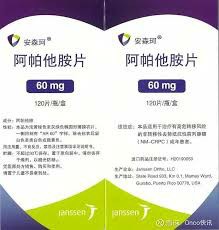
Detailed description of the indications and clinical application of apalutamide (Ansenko)
Apalutamide (Apalutamide) is an oral non-steroidal androgen receptor inhibitor (AR inhibitor), mainly used to treat prostate cancer. Its mechanism of action is through high-affinity binding to the androgen receptor (AR), blocking androgen activation, thereby inhibiting the growth and proliferation of prostate cancer cells. Apalutamide has strong selectivity and efficient AR inhibitory effect, which can reduce the role of androgen signaling in promoting tumor development. It is one of the important drugs for the current precision treatment of prostate cancer.
1. Non-metastatic castration-resistant prostate cancer (nmCRPC)
The earliest approved indication for apalutamide is non-metastatic castration-resistant prostate cancer (nmCRPC). After such patients receive androgen deprivation therapy (ADT), serum prostate-specific antigen (PSA) levels continue to rise, but imaging has not yet detected distant metastases. Clinical studies have shown that apalutamide combined with ADT can significantly delay the occurrence of bone metastasis and other distant metastases, and improve metastasis-free survival (MFS). Its efficacy was clearly confirmed in the SPARTAN study: compared with the placebo group, the metastasis-free survival of patients in the apalutamide group was nearly doubled, showing a significant effect in preventing disease progression in the early intervention stage.
2. Metastatic castration-sensitive prostate cancer (mCSPC)
In clinical practice, apalutamide is also gradually used for the treatment of **metastatic castration-sensitive prostate cancer (mCSPC)**. mCSPCPatients combined with apalutamide on the basis of traditionalADT can further reduce tumor burden, delay disease progression, and improve overall survival (OS). The treatment strategy for this type of patients emphasizes the combination of drugs, reducing androgen levels in the body through ADt, and at the same time using apalutamide to block the activation of AR by residual androgens to achieve a dual inhibitory effect. Clinical studies have shown that the combined regimen is superior to ADT alone in terms of disease remission and survival benefit, and is especially suitable for patients with high burden or high risk.
3. Other clinical applications and combination strategies
In addition to monotherapy or in combination with ADT, apalutamide has been shown to treat ** metastatic castration-resistant prostate cancer (mCRPC) **has shown potential value in studies, especially when used in combination with chemotherapy drugs (such as docetaxel) or other AR inhibitors, which can prolong patient survival and improve quality of life. In addition, apalutamide is also being explored in neoadjuvant and adjuvant therapy, with particular focus on its potential role in preoperative or auxiliary radiotherapy to provide more treatment options for prostate cancer patients.
4. Safety and clinical precautions
Apalutamide is generally well tolerated, but common adverse reactions still need to be paid attention to in clinical application, such as rash, fatigue, hypertension, diarrhea, joint pain and thyroid dysfunction. For patients with high risk of cardiovascular disease, basic cardiac function should be assessed before taking medication, and blood pressure, blood sugar and other indicators should be monitored regularly. During the treatment process, PSA levels, liver function and imaging examinations need to be reviewed regularly to evaluate the efficacy and adjust the medication regimen. For elderly patients or those with multiple underlying diseases, dose adjustment or combination treatment should be optimized based on individual conditions.
Apalutamide is a highly selective AR inhibitor, mainly used for non-metastatic castration-resistant prostate cancer, and gradually used in metastatic castration-sensitive prostate cancer and other related clinical research fields. By blocking androgen receptor signaling, apalutamide can significantly delay disease progression and prolong metastasis-free survival and overall survival. In clinical application, it is necessary to rationally formulate treatment plans based on the patient's specific condition and previous treatment history, while paying attention to adverse reactions and long-term follow-up to achieve maximum efficacy and safety and provide scientific and precise treatment options for prostate cancer patients.
Reference link:https://www.drugs.com
[ 免责声明 ] 本页面内容来自公开渠道(如FDA官网、Drugs官网、原研药厂官网等),仅供持有医疗专业资质的人员用于医学药学研究参考,不构成任何治疗建议或药品推荐。所涉药品可能未在中国大陆获批上市,不适用于中国境内销售和使用。如需治疗,请咨询正规医疗机构。本站不提供药品销售或代购服务。


