
.jpeg)
Brivaracetam safety in pregnant or breastfeeding women
As a new anti-epileptic drug, Brivaracetam/Brivaracetam's safety research during pregnancy and lactation is still in the continuous improvement stage. According to published overseas drug information, Brivaracetam can cross the placenta, and the drug ingredients can be detected in the milk of lactating women. Therefore, it is necessary to weigh the pros and cons under the guidance of a doctor when using it to ensure a balance between maternal disease control and baby health.
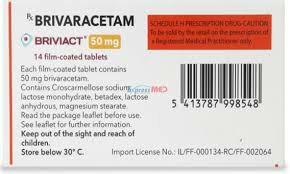
For pregnant women, the epileptic seizure itself may cause risks to the fetus such as hypoxia, damage, or premature birth, so keeping the condition stable is more important than blindly stopping medication. Brivaracetam has not shown significant teratogenicity in animal experiments, but data from human studies are limited. Most guidelines recommend that women who have used brivaracetam before pregnancy and achieved good control can continue to use the lowest effective dose under the guidance of a doctor to avoid recurrence of attacks. At the same time, liver function, blood drug concentration, and fetal development should be monitored regularly.
For breastfeeding women, studies have shown that brivaracetam can be excreted into breast milk, but its concentration in breast milk is low and there is currently no evidence of significant adverse effects on the baby. However, due to insufficient long-term data, it is still recommended that mothers evaluate the need for breastfeeding while taking the drug. If disease control is critical to maternal health, you may choose to continue treatment and closely observe the baby for abnormalities such as lethargy and feeding difficulties.
In summary, the use of brivaracetam during pregnancy and lactation should be individualized. Doctors usually determine the most appropriate plan after assessing seizure risk, fetal safety, and drug exposure risks. Patients should not stop taking the medicine without permission because of worries. They should maintain stable treatment and cooperate with monitoring to ensure the safety of mother and baby.
Reference materials:https://www.briviact.com/
[ 免责声明 ] 本页面内容来自公开渠道(如FDA官网、Drugs官网、原研药厂官网等),仅供持有医疗专业资质的人员用于医学药学研究参考,不构成任何治疗建议或药品推荐。所涉药品可能未在中国大陆获批上市,不适用于中国境内销售和使用。如需治疗,请咨询正规医疗机构。本站不提供药品销售或代购服务。


