
.jpeg)
Comparison of the efficacy and safety of capmatinib (Touradida) and tepotinib
Capmatinib (Capmatinib) and tepotinib (Tepotinib) are currently two clinical treatments for
In terms of efficacy, both capmatinib and tepotinib showed high anti-tumor activity in international multi-center clinical trials. The representative study of capmatinib isGEOMETRY In the mono-1 trial, in METex14 mutated NSCLC patients, the objective response rate (ORR) in previously untreated patients was approximately 68%. The ORR in treated patients was 41%; the median progression-free survival (PFS) was 12.4 months and 5.4 months, respectively. The pivotal clinical study of tepotinib was the VISION trial, in which the ORR was 43% and the median PFS reached in untreated patients. 8.5 months, in the previously treated population ORR was 43%, and PFS was about 8.5 months. Overall, capmatinib has a slightly higher response rate in treatment-naïve patients, while tepotinib has a relatively stable efficacy in different groups and a relatively longer maintenance time. In addition, some real-world studies have shown that both have certain efficacy in patients with intracranial metastases, and capmatinib in particular has outstanding data in controlling intracranial lesions.
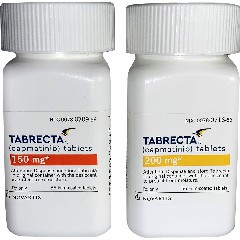
Capmatinib was first approved in the United States in2020 for the treatment of patients with advanced METex14 mutationsNSCLC. It has also been approved in China and is included in medical insurance. Tepotinib was also approved in the United States in 2021 and has been successively launched in Europe, Japan and other places, but its accessibility in China is slightly lower. Capmatinib is suitable for newly treated and previously treated patients, especially for patients with brain metastases. Tepotinib is considered suitable for long-term maintenance treatment and elderly patients due to its stable efficacy and convenience of oral administration. In addition, Tepotinib included more real-world patients in the VISION trial, including elderly people with more comorbidities, so it is applicable to a wider range of people and its clinical application is closer to actual treatment scenarios.
There are some differences in the adverse reaction spectrum between the two. Common adverse reactions of capmatinib include peripheral edema, nausea, fatigue, elevated transaminases, and dyspnea. The incidence of grade 3 or above adverse events is approximately 67%. Tepotinib has similar types of adverse reactions, with peripheral edema being the most common, but the overall incidence is slightly lower. The incidence of grade 3 or above adverse events is about 28%. In addition, the edema caused by tepotinib usually appears late, and some patients require auxiliary management of diuretics during long-term treatment; while the adverse reactions of capmatinib appear relatively earlier, and some patients require dose adjustment or brief discontinuation to improve tolerance. Judging from clinical experience, tepotinib is slightly better than capmatinib in terms of safety and manageability, and is especially suitable for patients with underlying diseases and poor tolerance.
In general, both capmatinib and tepotinib are highly effectiveMET-TKI. There is not much difference in efficacy, but each has its own advantages in different groups of people. Capmatinib has outstanding efficacy data in newly treated patients and patients with intracranial metastasis, and is suitable for patients who require rapid tumor response; Tepotinib is more suitable for long-term treatment and elderly patients due to its better safety and wide range of applicable populations. In clinical practice, factors such as drug accessibility, medical insurance coverage, adverse reaction management capabilities, and patient personal preferences will also affect the final choice. In addition, both have the risk of drug resistance, and subsequent treatment strategies still need to combine gene re-testing and the development of a new generation of MET inhibitors.
In summary, the efficacy of capmatinib and tepotinib in METex14mutationsNSCLC has been fully confirmed. Clinical selection must be based on patient characteristics, treatment goals and safety management to achieve maximum treatment benefits.
Reference materials:https://www.drugs.com/
[ 免责声明 ] 本页面内容来自公开渠道(如FDA官网、Drugs官网、原研药厂官网等),仅供持有医疗专业资质的人员用于医学药学研究参考,不构成任何治疗建议或药品推荐。所涉药品可能未在中国大陆获批上市,不适用于中国境内销售和使用。如需治疗,请咨询正规医疗机构。本站不提供药品销售或代购服务。


