
.jpeg)
Can Eslicarbazepine treat hemifacial spasm and related research introduction
Eslicarbazepine (Eslicarbazepine) is a new type of anti-epileptic drug, a sodium channel blocker, mainly used to treat partial onset seizures (focal onset seizures). Its mechanism of action reduces the frequency and intensity of epileptic seizures by stabilizing the membrane potential of overactive neurons and inhibiting the conduction of abnormal electrical signals. Although eslicarbazepine is mainly used for epilepsy clinically, its neuromodulatory effects have also aroused researchers' interest in its potential therapeutic effects on neurospastic diseases such as hemifacial spasm.
At present, the research on eslicarbazepine in the treatment of hemifacial spasm is still limited, and most of them are case reports or small clinical observations. Existing literature has shown that for some patients with hemifacial spasm caused by abnormal nerve excitation, sodium channel blockers can relieve involuntary muscle contraction and twitching symptoms to a certain extent. However, there is a lack of large-scale randomized controlled trials to systematically evaluate its efficacy and safety, so clinical application still requires caution.
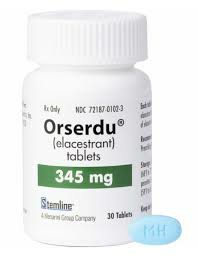
In clinical practice, if eslicarbazepine is considered for the treatment of hemifacial spasm, the patient's neurological condition and previous medication history should first be assessed. Since the drug is mainly metabolized by the liver and excreted through the kidneys, patients with hepatic and renal dysfunction may require dose adjustment. Hematological indicators, liver function and electrocardiogram should be monitored during medication to detect potential adverse reactions in a timely manner, such as dizziness, headache, nausea or rash.
Generally speaking, the application of eslicarbazepine in hemifacial spasm is still in the exploratory stage, and its efficacy has not yet been fully confirmed. In the future, more clinical research and evidence-based data support are needed to clarify its indications in hemifacial spasm and other neurospastic diseases. When applying, doctors should consider the individual patient conditions, weigh potential benefits and risks, use it with caution and strengthen follow-up management.
Reference materials:https://www.drugs.com/
[ 免责声明 ] 本页面内容来自公开渠道(如FDA官网、Drugs官网、原研药厂官网等),仅供持有医疗专业资质的人员用于医学药学研究参考,不构成任何治疗建议或药品推荐。所涉药品可能未在中国大陆获批上市,不适用于中国境内销售和使用。如需治疗,请咨询正规医疗机构。本站不提供药品销售或代购服务。


