
.jpeg)
Differences and advantages of febuxostat (fibril) and benzbromarone in the treatment of gout
Febuxostat (Febuxostat) and benzbromarone (Benzbromarone) are commonly used drugs for the treatment of hyperuricemia and gout, but there are significant differences in their mechanisms of action, indications, efficacy and safety. Understanding these differences is of great significance for clinical drug selection and the development of individualized treatment plans.
First of all, from the perspective of its mechanism of action, febuxostat is a non-purine selective xanthine oxidase inhibitor (Xanthine Oxidase Inhibitor, XOI), which can effectively inhibit the activity of xanthine oxidase during purine metabolism, thereby reducing the production of uric acid and lowering blood uric acid levels. Compared with traditional purine xanthine oxidase inhibitors such as allopurinol, febuxostat has a different structure, has a relatively small impact on renal function, and is suitable for patients who are intolerant or have poor efficacy of allopurinol. In contrast, benzbromarone is a uric acid excretion promoter (Uricosuric Agent), which mainly inhibits the reabsorption of uric acid by the renal tubules and increases uric acid excretion, thereby reducing blood uric acid concentration. This means that benzbromarone is more effective in patients with good renal function, while its efficacy may be limited in patients with impaired renal function.
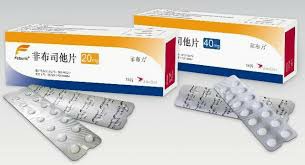
Secondly, from the clinical efficacy point of view, both can significantly reduce blood uric acid levels, but the applicable groups are different. Febuxostat can be widely used in patients with mild to moderate and some severe hyperuricemia, especially for patients with renal insufficiency or allergies to benzbromarone. Clinical studies have shown that febuxostat is faster in achieving blood uric acid control goals (usually <6 mg/dL) and can maintain stable blood uric acid levels during long-term use. Benzbromarone is more suitable for patients with normal renal function and the increase in serum uric acid is mainly due to insufficient uric acid excretion. It can quickly reduce serum uric acid concentration by increasing uric acid excretion. The two can also complement each other when used together, but attention should be paid to the risk of uric acid crystals and the incidence of kidney stones.
In terms of safety and side effects, febuxostat is generally well tolerated. Common adverse reactions include mild liver function abnormalities, rash, nausea, etc. Some patients at high cardiovascular risk should use febuxostat with caution as studies have shown that it may increase the risk of cardiovascular events in rare cases. The main risks of benzbromarone are nephrolithiasis and hepatotoxicity, especially in patients with impaired renal function, dehydration, or long-term high-dose use, where liver and kidney function need to be monitored. In addition, benzbromarone may not be suitable for use in people susceptible to urinary tract stones, whereas febuxostat is relatively safe in such patients.
Generally speaking, febuxostat mainly inhibits the production of uric acid in terms of pharmacological mechanism. It has a wide range of applications and has little impact on renal function. It is a new first-choice drug in the treatment of gout. Benzbromarone mainly promotes uric acid excretion and is suitable for patients with excretory hyperuricemia. Clinically, doctors will choose the most appropriate drug or combination treatment based on the patient's renal function, past drug tolerance, blood uric acid levels, and comorbid diseases. Rational drug use and regular monitoring of blood uric acid and liver and kidney functions are the keys to ensuring efficacy and safety, and are also important components of individualized gout management.
Reference materials:https://www.drugs.com/
[ 免责声明 ] 本页面内容来自公开渠道(如FDA官网、Drugs官网、原研药厂官网等),仅供持有医疗专业资质的人员用于医学药学研究参考,不构成任何治疗建议或药品推荐。所涉药品可能未在中国大陆获批上市,不适用于中国境内销售和使用。如需治疗,请咨询正规医疗机构。本站不提供药品销售或代购服务。


