
.jpeg)
Analysis of possible side effects of baricitinib/alemin
Baricitinib(Baricitinib) is a selective JAK1/JAK2 inhibitor that is widely used to treat rheumatoid arthritis, alopecia areata, COVID-19 and other diseases. It inhibits the immune response by blocking the JAK-STAT signaling pathway and reducing the release of inflammatory cytokines. Although its efficacy is remarkable, long-term use may still cause certain adverse reactions, and it needs to be used under the guidance of a professional doctor.
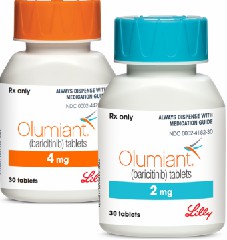
The side effects of baricitinib are mainly divided into three main categories: immune suppression-related reactions, increased risk of infection, and metabolic and hematological abnormalities. Because this drug is an immunomodulator, it suppresses the inflammatory response while also weakening the body's immune defense function, leading to the occurrence of mild to moderate infections, such as upper respiratory tract infections, herpes zoster, or urinary tract infections. Some patients may experience a drop in their white blood cell or neutrophil count during treatment, so doctors usually monitor blood levels regularly to ensure safe medication use.
In addition, baricitinib may cause an increase in blood lipids or a mild increase in liver enzymes, which are common reactions of drugs affecting liver metabolism and lipid metabolism pathways. It can usually be resumed gradually after stopping the drug or adjusting the dose. In rare cases, patients may be at risk of thrombosis, especially when there are high-risk factors such as previous history of venous thrombosis, obesity, and long-term bed rest. This has been highlighted by European and American drug regulatory agencies.
Skin reactions and gastrointestinal discomfort are also side effects that need attention, such as rash, abdominal pain, nausea, mild diarrhea and other symptoms. Most of them are transient and related to individual metabolic differences. Researchers found that compared with traditional immunosuppressive drugs, baricitinib has better overall tolerability and a lower incidence of serious adverse reactions, but it is still necessary to monitor infection indicators and liver and kidney function during long-term treatment.
Reference materials:https://go.drugbank.com/drugs/DB11817
[ 免责声明 ] 本页面内容来自公开渠道(如FDA官网、Drugs官网、原研药厂官网等),仅供持有医疗专业资质的人员用于医学药学研究参考,不构成任何治疗建议或药品推荐。所涉药品可能未在中国大陆获批上市,不适用于中国境内销售和使用。如需治疗,请咨询正规医疗机构。本站不提供药品销售或代购服务。


