
.jpeg)
Tucatinib/tucatinib side effects and countermeasures
Tucatinib/Tucatinib (Tucatinib) is a HER2-targeted inhibitor. Its main mechanism of action is to inhibit the activity of the HER2 signaling pathway, thereby blocking the proliferation of tumor cells. Compared with traditional chemotherapy drugs, tucatinib has a lower incidence of side effects, but because its target acts on the cell signaling system, a series of controllable adverse reactions may still occur, which need to be dealt with scientifically under the guidance of a doctor.
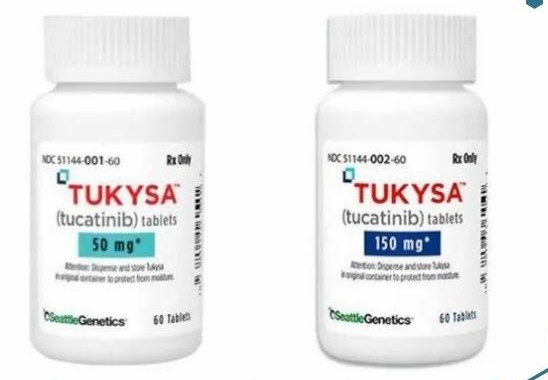
In clinical use, the most common side effects include diarrhea, nausea, fatigue, increased liver function indicators, and hand-foot syndrome. These reactions are mostly related to the effects of drugs on liver metabolism and epithelial cells. Diarrhea usually occurs early in treatment and is a dose-dependent reaction that can be relieved by adjusting the dose or using antidiarrheal drugs. Doctors usually recommend that patients maintain adequate fluid intake and avoid high-fat and spicy foods during treatment to reduce intestinal burden.
Abnormal liver function is one of the adverse reactions that need to be monitored during tucatinib treatment. Because the drug is mainly metabolized by the liver, some patients may experience elevated alanine aminotransferase or bilirubin. If persistent liver enzyme abnormalities occur, the drug should be discontinued promptly and reexamined. To reduce risks, liver function should be monitored every 2 to 4 weeks in the early stages of treatment to ensure safe use of the drug.
In addition, when tucatinib is used in combination with capecitabine, trastuzumab, etc., redness and swelling of hands and feet, oral ulcers, or dry skin may occasionally occur. Most of these symptoms are temporary reactions, which can be effectively improved with topical emollients or low-strength corticosteroid ointments. For patients with obvious fatigue and loss of appetite, they can rest appropriately or adjust the medication time under the guidance of a doctor to avoid stopping the medication on their own.
It is worth noting that compared with otherHER2-targeted drugs, tucatinib has less impact on cardiac function, but for patients with previous heart disease, regular electrocardiogram or echocardiogram monitoring is still recommended. Overseas research shows that most side effects are reversible and can be quickly relieved after stopping the drug or reducing the dose.
Reference materials:https://www.tukysa.com/
[ 免责声明 ] 本页面内容来自公开渠道(如FDA官网、Drugs官网、原研药厂官网等),仅供持有医疗专业资质的人员用于医学药学研究参考,不构成任何治疗建议或药品推荐。所涉药品可能未在中国大陆获批上市,不适用于中国境内销售和使用。如需治疗,请咨询正规医疗机构。本站不提供药品销售或代购服务。


