
.jpeg)
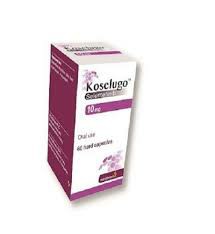
FDA approves selumetinib/coselumab for symptomatic NF-1-associated inoperable plexiform neurofibromas in children
The U.S. Food and Drug Administration has approved the use of selumetinib as oral granules and capsules for the treatment of plexiform neurofibromas (PN) in pediatric patients 1 year and older with symptomatic, inoperable neurofibromatosis type 1 (NF1).
This approval was supported by an adequate bridge between the oral granules and the approved capsule formulation in a relative bioavailability study in healthy adults. The approval is also based on exposure matching between pediatric patient populations in the Phase 2 SPRINT study (NCT01362803) evaluating the capsule formulation in children 2 years and older and the Phase 1/2 SPRINKLE study (NCT05309668) evaluating the granular formulation in infants 1 year and older. Similar exposures for both formulations also support extrapolation of efficacy from pediatric patients 2 years and older to pediatric patients 1 year and older.
Regarding safety, selumetinib prescribing information includes warnings and precautions for cardiomyopathy, ocular toxicity, gastrointestinal toxicity, skin toxicity, elevated creatine phosphokinase levels, elevated vitaminE levels, increased risk of bleeding from selumetinib capsules, and embryo-fetal toxicity. Of note, the incidence of warnings and precautions has been updated to include data from additional pediatric patients. No new safety signals were discovered.
The recommended dose level of selumetinib based on body surface area is25 mg/m2 orally twice daily until disease progression or unacceptable toxicity. Of note, the U.S. Food and Drug Administration previously approved selumetinib in April 2020 for the treatment of pediatric patients 2 years and older with NF1 and symptomatic, inoperable PN.
What is the background and data of the SPRINT study
This open-label, multicenter, single-arm study evaluated the efficacy of sulumetinib in pediatric patients with NF1 and inoperable measurable target PN. In the efficacy population (n=50), patients were required to have at least one significant morbidity associated with target PN. Of note, at least 20% of patients in the study had deformity, motor dysfunction, pain, airway dysfunction, bladder/bowel dysfunction, and visual impairment.
Additionally, the primary efficacy outcome was overall response rate as assessed by the National Cancer Institute (ORR) and was defined as the percentage of patients who achieved a 20% or greater reduction in tumor volume by MRI and subsequent MRI within 3 to 6 months. Among evaluable patients (n=50), the ORR was 66% (n=33; 95% CI, 51%-79%). Additionally, all patients had a partial response, with 82% of responders continuing to respond for 12 months or longer.
The most adverse reactions (AEs) observed in at least40% of patients were vomiting, rash, abdominal pain, diarrhea, nausea, dry skin, pruritus, musculoskeletal pain, fatigue, fever, acne, stomatitis, headache, and paronychia. Selumetinib treatment may also result in cardiomyopathy, ocular toxicity, retinal pigment epithelial detachment, and visual impairment, as well as increased creatine phosphokinase levels. Of note, depending on the severity of the adverse event, use should be suspended, dose reduced, or permanently discontinued.
What is the design of the SPRINKLE study
OngoingA phase 1/2 single-arm open-label study is evaluating the pharmacokinetics and safety of selumetinib granular formulation in patients aged 1 to 7 years with NF1-related inoperable PN. Patients included in the study had at least 1 measurable PN of at least 3 cm, a Lansky performance score of 70 or higher, and a body surface area of u200bu200b0.4 m2 or greater and 1.09 m2 or less.
Patients were not permitted to participate in the study if they had confirmed or suspected malignant glioma or malignant peripheral nerve sheath tumor; a history of malignancy other than treatment for the malignancy with therapeutic intent and no known active disease for at least 2 years before the first dose of study treatment; or refractory nausea and vomiting, gastrointestinal disease, inability to swallow formulated therapeutics, or previous major bowel resection that might compromise its safety or affect the absorption or metabolism of selumetinib. All patients received 25 cycles of selumetinib and were asked to participate in long-term safety follow-up until age 5 years.
References:https://www.onclive.com/view/fda-approves-selumetinib-for-symptomatic-pediatric-nf-1-associated-inoperable-plexiform-neurofibromas
[ 免责声明 ] 本页面内容来自公开渠道(如FDA官网、Drugs官网、原研药厂官网等),仅供持有医疗专业资质的人员用于医学药学研究参考,不构成任何治疗建议或药品推荐。所涉药品可能未在中国大陆获批上市,不适用于中国境内销售和使用。如需治疗,请咨询正规医疗机构。本站不提供药品销售或代购服务。


