
.jpeg)
Identification of biomarkers of lorlatinib/lorlatinib treatment resistance in patients with ALK-positive advanced non-small cell lung cancer
Lorlatinib showed improvements in overall survival (OS) with both circulating tumor DNA (ctDNA)-based biomarkers in patients with ALK-positive advanced non-small cell lung cancer (NSCLC), both treatment-naïve and previously treated, according to results of a recent study.
Lorlatinib is defined as "A brain-penetrant, third-generation anaplastic lymphoma kinase (ALK) and ROS1 tyrosine kinase inhibitor (TKI). For use in second-generation ALK ALK mutations "were identified as potential markers of response" in patients treated with lorlatinib after failure of TKI therapy. The primary purpose of the study was to further identify potential mechanisms of resistance to lorlatinib therapy and to predict clinical outcomes with the drug by assessing ALK fusion isoforms and other co-mutations.
Trial participants were divided into expansion cohorts (EXP) based on treatment type. EXP1 included 30 patients the team classified as "treatment naïve," EXP2-3A included 59 patients who had previously been treated with crizotinib or no chemotherapy, and EXP3B-5 included 139 patients who had previously been treated with one or more ALK TKIs or no chemotherapy.
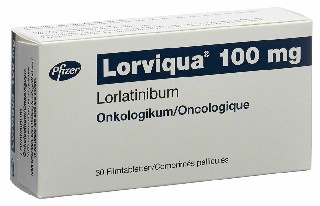
In addition to tumor tissue samples collected at baseline, researchers also obtained plasma samples from all patients in the expansion cohort at baseline and at the end of treatment. ctDNA samples were obtained from 28 patients withEXP1, 55 patients with EXP2-3A, and 129 patients with EXP3B-5. Guardant360 was used to analyze ctDNA, and next-generation sequencing (NGS) was used to analyze tumor tissue samples. Additionally, the researchers correlated ALK fusion isoforms, ALK mutations, and TP53 mutation status with clinical outcomes.
The researchers explained these results by emphasizingPatients with the short EML4-ALK fusion variant 3 in the EXP2-3A cohort showed reduced OS or "a lower probability of 72-month survival than patients with the long variant." However, among patients in the EXP1 and EXP3B-5 cohorts, researchers reported similar OS benefits regardless of variant type.
Research results also show that,TP53 mutations were associated with lower OS and 72-month survival probability in all cohorts, although the researchers noted that confirmation of this finding in patient tumor tissue samples is "ongoing." The researchers found single and concurrent ALK mutations in participants with "matched paired ctDNA samples" in the EXP2-3A and EXP3B-5 cohorts, but the same results were not observed in any patients with matched paired ctDNA samples in the EXP1 cohort.
After final analysis, at a follow-up point of at least five years, the researchers concluded that lorlatinib produced significant activity and prolonged OS in patients who had not yet received treatment forALK-positive advanced NSCLC and in patients who had previously received treatment, regardless of the ctDNA-based biomarker panel. .
However, although ALK mutations were not observed in the study populationA potential biomarker of treatment resistance, the researchers highlighted the emergence of new single and concurrent mutations observed in "a small number of patients who had previously received ALK TKIs."
References:https://www.cancernursingtoday.com/post/identifying-biomarkers-of-therapeutic-resistance-with-lorlatinib-in-patients-with-alk-positive-advanced-nsclc
[ 免责声明 ] 本页面内容来自公开渠道(如FDA官网、Drugs官网、原研药厂官网等),仅供持有医疗专业资质的人员用于医学药学研究参考,不构成任何治疗建议或药品推荐。所涉药品可能未在中国大陆获批上市,不适用于中国境内销售和使用。如需治疗,请咨询正规医疗机构。本站不提供药品销售或代购服务。


