
.jpeg)
What are the specific effects of bimetinib/bemetinib?
Binimetinib is a highly selective oral MEK inhibitor and is a cutting-edge category of targeted anti-cancer drugs. It mainly inhibits the proliferation and survival signaling of tumor cells by blocking the key proteins MEK1 and MEK2 in the MAPK signaling pathway. This drug precisely interferes with abnormal signals of tumor cells at the molecular level and has become one of the research hotspots in the field of international cancer treatment in recent years. Bimetinib is currently widely used to treat unresectable or metastatic melanoma with BRAF V600E or V600K mutations, and is usually used in combination with the BRAF inhibitor Encorafenib to enhance efficacy and prolong disease control time.
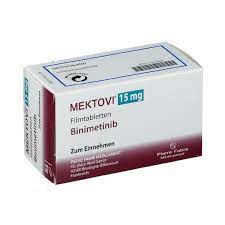
The mechanism of action of bimetinib mainly revolves aroundRAS/RAF/MEK/ERK pathway, which is the core signaling pathway of various solid tumors. This pathway is involved in regulating cell growth and differentiation in normal cells, but is often continuously activated in tumor cells due to gene mutations, leading to unlimited cell proliferation. Bimetinib precisely binds to the active site of MEK protein and blocks its downstream signaling, preventing abnormally active ERK from being activated, ultimately inhibiting the division and spread of tumor cells. This "upstream blocking" approach is more targeted than traditional chemotherapy and can significantly reduce damage to normal tissue, so it is clinically considered a milder and more efficient treatment option.
From the perspective of indications, bimetinib not only plays an important role in melanoma, but has also been studied in the treatment of non-small cell lung cancer in recent years. Some studies have shown that when used in combination with BRAF inhibitors, it can significantly delay the occurrence of drug resistance and improve patients' quality of life. The principle of this combined strategy is that inhibiting BRAF alone may activate the feedback pathway to reactivate MEK, while dual blocking of BRAF and MEK can inhibit the restart of tumor growth signals from the source, thereby prolonging the duration of the therapeutic effect.
In terms of pharmacokinetics, bimetinib is an oral formulation with good bioavailability and is suitable for long-term maintenance treatment. Its metabolism is mainly carried out through the liver enzyme system, so changes in liver function need to be paid attention to during medication. Compared with other targeted drugs, the adverse reactions of bimetinib are relatively controllable. Common ones include rash, muscle soreness, mild diarrhea, and eye discomfort. Most of them can be alleviated by dose adjustment or auxiliary drugs. Overseas experts recommend that patients should undergo regular eye examinations and liver function monitoring in the early stages of treatment to reduce risks.
In terms of drug research and development, bimetinib represents another advancement in precision medicine. It achieves this through in-depth recognition of tumor molecular characteristicsThe concept of personalized medicine under "gene drive" is rapidly gaining popularity in global cancer treatment. With the popularization of targeted detection technology in China, more and more patients will identify their mutation types through genetic screening in the future, thereby benefiting from precise treatments brought by targeted drugs such as bimetinib.
The original drug of bimetinib is currently developed by Array BioPharma Company (now part of Pfizer) in the United States and has been approved for marketing in many European and American countries. Although it has not been fully promoted in China, its clinical research and international guideline recommendations have gradually attracted attention.
Reference materials:https://go.drugbank.com/drugs/DB11967
[ 免责声明 ] 本页面内容来自公开渠道(如FDA官网、Drugs官网、原研药厂官网等),仅供持有医疗专业资质的人员用于医学药学研究参考,不构成任何治疗建议或药品推荐。所涉药品可能未在中国大陆获批上市,不适用于中国境内销售和使用。如需治疗,请咨询正规医疗机构。本站不提供药品销售或代购服务。


