
.jpeg)
Analyze the drug differences between Quizartinib and Giritinib
Quizartinib and Gilteritinib are two targeted drugs that have attracted much attention in the treatment of acute myeloid leukemia (AML) in recent years. They are both FLT3 inhibitors, but they have significant differences in molecular structure, target specificity, mechanism of action, clinical application scope and resistance mechanism.
From the perspective of drug targets and mechanisms, both quizartinib and giritinib target FLT3 (FMS-like tyrosine kinase 3) mutant AML, but their scope of action is different. FLT3 mutations are mainly divided into two categories: intron duplication mutations (ITD) and tyrosine kinase domain mutations (TKD). Quizartinib is a highly selective FLT3-ITD inhibitor with weak inhibitory effect on TKD mutations, so it has outstanding efficacy in patients with FLT3-ITD mutations. Giritinib is a second-generation broad-spectrum FLT3 inhibitor that can inhibit both FLT3-ITD and FLT3-TKD mutations. In addition, it also has inhibitory activity against other receptor tyrosine kinases such as AXL. Therefore, it shows wider adaptability in the treatment of complex mutation types or patients who are resistant to first-generation drugs.
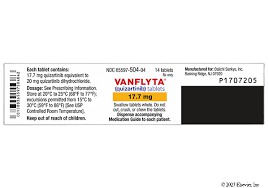
There are also significant differences in pharmacokinetics and clinical application strategies between the two. Quizartinib is usually taken orally once a day, has a long half-life, and can maintain a sustained and stable drug concentration in the body. However, its side effects are mainly concentrated on the heart, such as QT interval prolongation, so strict monitoring of electrocardiogram is required in clinical practice. However, giritinib has more flexible metabolic properties, is well absorbed after oral administration, has wide drug distribution, and relatively mild adverse reactions. Commonly seen are increased liver function indicators, fatigue, and decreased appetite, which can be alleviated by adjusting the dose or supporting treatment. In comparison, giritinib is better tolerated and has a wider safety window, making it more widely used in long-term maintenance therapy.
From the perspective of clinical indications, quizartinib is mainly used for patients with relapsed or refractory after treatmentFLT3-ITD mutant acute myeloid leukemia, and is usually used as salvage treatment or transitional treatment before hematopoietic stem cell transplantation. Giritinib has been approved by the FDA for patients with relapsed or refractory FLT3 mutant AML, including ITD and TKD mutant types, and has been shown in multiple international clinical studies to bring significant survival benefits as a single agent. Currently, giritinib has become one of the standard treatments recommended by international guidelines, providing patients with a new life-extending option, especially after first-line treatment failure.
The two also show different characteristics in terms of resistance mechanisms. Quizartinib has a single target and is not effective forTKD mutation resistance is more obvious, and some patients will develop secondary mutations during use, resulting in reduced drug efficacy. Giritinib delays the occurrence of drug resistance to a certain extent through a multi-target mechanism, but long-term use may still cause the activation of alternative signaling pathways, such as the enhancement of the RAS/MAPK pathway. This is also an important direction for future research on drug combination strategies. For example, overseas studies are exploring the use of gilitinib in combination with BCL-2 inhibitors or immunotherapy to overcome the problem of drug resistance and further extend the duration of remission.
In terms of price and accessibility, Quizartinib has not yet been officially launched in mainland China. It is mainly purchased through overseas channels, and the price is relatively high. The price of each box of common specifications may be around tens of thousands of yuan. Giritinib has been approved for marketing in many countries and regions, and generic drug versions have also been launched in some regions, which has reduced the cost of treatment.
Reference materials:https://go.drugbank.com/drugs/DB12874
[ 免责声明 ] 本页面内容来自公开渠道(如FDA官网、Drugs官网、原研药厂官网等),仅供持有医疗专业资质的人员用于医学药学研究参考,不构成任何治疗建议或药品推荐。所涉药品可能未在中国大陆获批上市,不适用于中国境内销售和使用。如需治疗,请咨询正规医疗机构。本站不提供药品销售或代购服务。


