
.jpeg)
Can I stop taking Trientine once I take it?
Trientine(Trientine) is a prescription drug used to treat Wilson’s disease. It mainly works by chelating excess copper ions in the body and promoting its excretion, thereby reducing copper deposition in the liver, brain and other tissues. This drug is usually used in patients who cannot tolerate penicillamine or experience related adverse reactions. Since Wilson's disease is an inherited metabolic disorder, the copper metabolism defect in the patient's body is long-term and irreversible. Therefore, the treatment principle of trientine is usually long-term continuous medication to maintain a stable level of copper ions in the body.
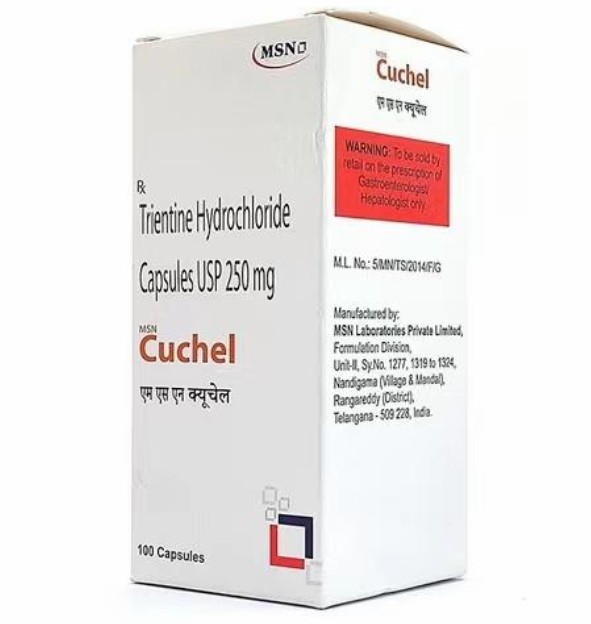
In terms of clinical management, trientine is not "once taken, it can never be stopped." However, whether to discontinue the drug must strictly follow the judgment of a professional doctor. After the patient's condition stabilizes and the blood copper and urine copper indicators reach the control standard, the doctor may adjust the dosage or even conduct a short-term evaluation discontinuation based on the individual situation. However, if the patient stops taking the drug without authorization, copper ions may accumulate excessively in the liver or nervous system again, leading to serious consequences such as worsening of liver function, tremor, speech impairment, or aggravation of mental symptoms. Foreign medical guidelines point out that the use of trientine should be based on long-term maintenance treatment, and its core goal is to prevent the recurrence of copper toxicity rather than short-term cure.
During medication, patients should regularly detect serum copper, urinary copper and serum ceruloplasmin (ceruloplasmin) levels to ensure that copper metabolism is within a safe range. In addition, a low-copper diet (avoiding shellfish, animal liver, nuts and other high-copper foods) is also an important part of maintaining the therapeutic effect. If some patients experience mild gastrointestinal reactions to long-term use of trientine, they can be relieved by adjusting the medication time or taking it after meals.
In general, the treatment strategy of trientine emphasizes "continuity" and "monitoring" in parallel. Maintenance medication may be lifelong as long as the genetic defect in Wilson's disease exists, but that doesn't mean patients can't adjust their treatment regimen.
Reference materials:https://www.cufence.com/
[ 免责声明 ] 本页面内容来自公开渠道(如FDA官网、Drugs官网、原研药厂官网等),仅供持有医疗专业资质的人员用于医学药学研究参考,不构成任何治疗建议或药品推荐。所涉药品可能未在中国大陆获批上市,不适用于中国境内销售和使用。如需治疗,请咨询正规医疗机构。本站不提供药品销售或代购服务。


