
.jpeg)
Why is Lapatinib/Talisa ineffective in patients with breast cancer?
Lapatinib (Lapatinib) is an important oral targeted drug for HER2-positive breast cancer. Although it has achieved significant efficacy in some patients, there are still some people who have poor or even ineffective efficacy after use. The reasons are often related to the biological characteristics of the tumor, previous treatment history and medication indications.
The indications for lapatinib are very clear. The drug is mainly used for advanced or metastatic breast cancer with overexpression of HER2 (also known as ErbB-2), and requires patients to have previously received treatments such as anthracyclines, paclitaxel, and trastuzumab, and to undergo treatment with lapatinib combined with capecitabine after progression of these treatments. If the patient has not been treated with trastuzumab, or if the tumor is not HER2-positive, the use of lapatinib often has limited effect. This is clearly stated in international guidelines.
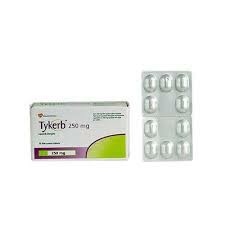
The ineffectiveness of drugs may also be related to molecular resistance mechanisms. As treatment time increases, some cancer cells can escape the inhibitory effect of lapatinib by downregulating HER2 receptor expression, activating alternative signaling pathways (such as PI3K/AKT), or upregulating drug efflux proteins. This type of drug resistance often manifests as progression after early response, requiring doctors to adjust the regimen, such as combining it with other targeted drugs or chemotherapy.
In addition, the combination therapy of lapatinib and letrozole is only suitable for postmenopausal women who are hormone receptor-positive andHER2-positive. The efficacy of this combination may also be compromised if the patient is hormone receptor negative or has weak estrogen dependence. It is worth noting that there are currently no data to support the comparative efficacy of lapatinib combined with trastuzumab or other trastuzumab-containing regimens, so alternative mixed use is not recommended clinically.
Errors in drug absorption and administration are also common causes of ineffectiveness. Lapatinib must be taken on an empty stomach. If the patient takes it with food, it will significantly affect the drug absorption rate and reduce the blood concentration. In addition, concomitant use of CYP3A4 inducers will also lead to accelerated metabolism and reduced efficacy.
Reference materials:https://medlineplus.gov/druginfo/meds/a607055.html
[ 免责声明 ] 本页面内容来自公开渠道(如FDA官网、Drugs官网、原研药厂官网等),仅供持有医疗专业资质的人员用于医学药学研究参考,不构成任何治疗建议或药品推荐。所涉药品可能未在中国大陆获批上市,不适用于中国境内销售和使用。如需治疗,请咨询正规医疗机构。本站不提供药品销售或代购服务。


