
.jpeg)
How many tubes of rubitin/rubicatin (Zanbega) are usually needed at one time and dosage recommendations
Lurbinectedin (Lurbinectedin) is a new type of anti-tumor drug, mainly used for the treatment of small cell lung cancer and some solid tumors. Its mechanism of action is to inhibit the transcription process of cancer cells and block the synthesis of DNA in abnormal cells, thus inducing the apoptosis of cancer cells. Clinically, rubitidine is usually used as a second-line or third-line treatment drug, especially for patients with small cell lung cancer who are resistant to or relapsed with platinum-based chemotherapy. Due to the special nature of the drug, its dosage and dosing intervals need to be strictly followed by a doctor's instructions to ensure efficacy and safety.
In actual clinical applications, the dose of rubitidine for one use is usually calculated based on the patient's body surface area. The standard dose per square meter of body surface area is approximately 3.2mg. The dosing frequency is generally an intravenous infusion every three weeks. The number of medication used in one treatment depends on the patient's body surface area and specific specifications. Each vial usually contains a fixed dose of medication. For example, if the patient's body surface area is 1.7 square meters, calculated as 3.2 mg/m², the total dose is approximately 5.44 mg, so it may be necessary to select the corresponding number of tubes for infusion based on the drug specifications.
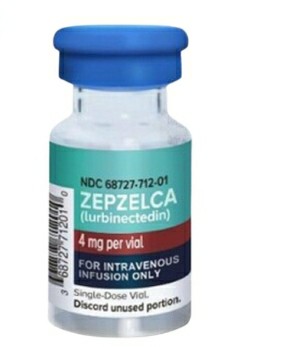
During the use of rubitidine, patients need to pay attention to the hematological side effects that may be caused by the drug, such as neutropenia, thrombocytopenia, and anemia. To reduce the risk of adverse reactions, doctors usually conduct routine blood tests before taking medication and adjust the dose or delay the administration time if necessary. In addition, rubitidine may also cause gastrointestinal discomfort, such as nausea, vomiting, and loss of appetite. In clinical practice, it is often combined with antiemetics or the dosage rate is adjusted to relieve symptoms.
In terms of administration management, rubitidine must be infused intravenously in the hospital by professional medical staff, and the dispensing, dilution and infusion procedures must be strictly followed to ensure drug safety. Patients should avoid adjusting the dosage or frequency on their own during medication, and report any abnormal symptoms to their doctor in a timely manner. Scientific and standardized dosage calculation and administration management will not only help improve the clinical efficacy of rubitidine, but also significantly reduce treatment risks and ensure patients' safety and quality of life during treatment.
Reference materials:https://www.drugs.com/
[ 免责声明 ] 本页面内容来自公开渠道(如FDA官网、Drugs官网、原研药厂官网等),仅供持有医疗专业资质的人员用于医学药学研究参考,不构成任何治疗建议或药品推荐。所涉药品可能未在中国大陆获批上市,不适用于中国境内销售和使用。如需治疗,请咨询正规医疗机构。本站不提供药品销售或代购服务。


