
.jpeg)
Detailed analysis of the mechanism of action and main effects of apalutamide (Ansenko)
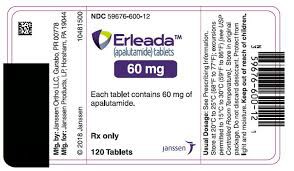
Apalutamide (Apalutamide) is a new type of oral non-steroidal androgen receptor (AR) inhibitor, mainly used for Treatment of prostate cancer, specifically non-metastatic castration-resistant prostate cancer (nmCRPC) and metastatic castration-sensitive prostate cancer (mCSPC). Its core pharmacological mechanism is to inhibit androgen-mediated cancer cell proliferation signals by blocking the activation of AR. Androgen plays a key role in the occurrence and progression of prostate cancer. It binds to AR and translocates to the nucleus, activating downstream gene transcription and promoting cancer cell growth. Apalutamide can highly bind to AR, thereby preventing androgen binding, inhibiting AR’s nuclear translocation and the transcriptional activity of downstream genes, ultimately inhibiting cancer cell proliferation and delaying disease progression. This precise mechanism of action makes it highly targeted and effective in the treatment of prostate cancer.
In terms of clinical application, apalutamide has been proven to significantly prolong the metastasis-free survival of patients (MFS). Multiple clinical trials have shown that patients with non-metastatic castration-resistant prostate cancer who took apalutamide had an average of more than two years of MFS and a significantly lower risk of metastasis compared with the placebo group. This efficacy not only reflects the inhibitory effect of apalutamide on disease progression, but also provides a valuable treatment option for patients with high-risk prostate cancer. In addition, apalutamide can also improve the overall survival (OS) of patients, especially in high-risk patients, the advantage of extending OS is more obvious, providing more solid evidence support for clinical treatment.
Apalutamide has also shown positive effects in controlling bone metastases and reducing serum prostate-specific antigen (PSA) levels. Bone metastasis is a common complication in patients with advanced prostate cancer, causing severe pain, fractures, and reduced quality of life. Apalutamide slows down the spread of cancer cells to bone tissue by inhibiting the AR signaling pathway, thereby reducing the incidence of bone metastasis. At the same time, after taking apalutamide, the serum PSA levels of most patients decreased significantly or remained stable, providing a reliable indicator for clinical monitoring of efficacy. This change in serological indicators not only helps doctors evaluate drug efficacy, but also provides a reference for adjusting individualized treatment plans.
In combination treatment strategies, apalutamide also shows unique advantages. Apalutamide provides additional AR when used in combination with ablative therapy (ADT)The inhibitory effect makes castration treatment more effective and can maintain the stable state of cancer for a longer period of time. When used in combination with chemotherapy drugs, apalutamide enhances the overall anti-tumor effect by targeting the AR pathway, while reducing the side effects of some chemotherapy drugs and having a positive impact on patients' quality of life. In addition, the oral administration method of apalutamide also facilitates long-term maintenance treatment, allowing patients to continue taking the drug in a home environment to ensure stable drug concentrations and maximize efficacy. In general, apalutamide not only delays the progression of prostate cancer and reduces the risk of metastasis through its multi-level and multi-mechanical anti-cancer effects, but also provides an effective and sustainable treatment plan for high-risk patients. It is an important part of modern precision treatment of prostate cancer.
Reference materials:https://www.drugs.com/
[ 免责声明 ] 本页面内容来自公开渠道(如FDA官网、Drugs官网、原研药厂官网等),仅供持有医疗专业资质的人员用于医学药学研究参考,不构成任何治疗建议或药品推荐。所涉药品可能未在中国大陆获批上市,不适用于中国境内销售和使用。如需治疗,请咨询正规医疗机构。本站不提供药品销售或代购服务。


