
.jpeg)
How long does it take to take Febuxostat (Febuxostat) before you can safely stop taking it and what you need to pay attention to when stopping taking it
Febuxostat (Febuxostat) is a selective xanthine oxidase inhibitor, mainly used to treat patients with hyperuricemia and gout. It reduces the production of uric acid in the body by inhibiting the activity of xanthine oxidase, thereby reducing blood uric acid levels, relieving gout symptoms and preventing uric acid crystal deposition. For clinical application, the treatment course design and discontinuation management of febuxostat are very critical, related to the maintenance of efficacy and patient safety. This article will provide a detailed analysis of the discontinuation and safety of febuxostat from five aspects: pharmacological mechanism, treatment course management, discontinuation precautions, medication for special populations and clinical monitoring.
First of all, the pharmacological effects of febuxostat require caution when discontinuing the drug. Febuxostat reduces uric acid production by inhibiting xanthine oxidase, thereby effectively reducing blood uric acid levels. If the drug is stopped prematurely when the blood uric acid has not stabilized or gout symptoms have not been completely controlled, it may cause the blood uric acid to rise rapidly, increase the risk of gout attacks, and may induce the aggravation of uric acid kidney stones or tophi. Therefore, it is necessary to ensure that the blood uric acid level is stably maintained within the target range (usually <6 mg/dL) before stopping the drug, and the patient undergoes at least a period of stable blood uric acid before stopping the drug to reduce the risk of recurrence.
Secondly, the treatment management of febuxostat should be based on the principle of individualization. The severity of gout, frequency of past attacks, and concomitant renal function vary among patients, so the duration and dose adjustment of the drug should also be different. Clinically, it is generally recommended to evaluate whether the dose can be gradually reduced or the medication interval can be extended after the serum uric acid reaches the target and stabilizes for several weeks to months, rather than discontinuing the medication all at once. The gradual reduction not only helps prevent the rapid rise of blood uric acid, but also allows doctors to observe the patient's tolerance to drug adjustments and provide a basis for subsequent treatment.
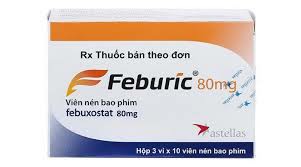
Third, monitoring and precautions after drug withdrawal cannot be ignored. After discontinuing febuxostat, patients still need to regularly monitor blood uric acid levels and pay close attention to changes in gout symptoms such as joint redness, swelling, and pain. If there is an increase in blood uric acid or an acute attack of gout, medication should be re-administered promptly or short-term relief treatment should be adopted. At the same time, patients should maintain a healthy lifestyle, including controlling a high-purine diet, increasing water intake, and exercising regularly, to help stabilize blood uric acid and reduce the risk of recurrence.
In addition, special groups need to be more cautious when stopping medication. Patients with renal insufficiency, cardiovascular disease, or previous gout nodules are more sensitive to fluctuations in blood uric acid, and stopping the drug may cause complications. Therefore, such patients should be fully evaluated before discontinuing medication and develop an individualized monitoring plan under the guidance of a doctor, including regular blood tests, uric acid monitoring, and symptom follow-up. For high-risk patients, low-dose sustained-release drugs or auxiliary means can also be used during drug withdrawal to reduce the risk of acute attacks and uric acid recovery.
Finally, the principle of gradual and dynamic management should be adhered to clinically. Febuxostat discontinuation is not a single action, but should be comprehensively evaluated in conjunction with changes in the patient's blood uric acid, symptom control, and lifestyle intervention. Through scientific discontinuation strategies, it is possible to minimize the risk of gout recurrence and potential complications while ensuring continued control of blood uric acid, and achieve long-term safe and effective management. In short, the discontinuation of febuxostat must follow the principles of "stabilization of blood uric acid, control of symptoms, individualized assessment, and gradual progress" to ensure the continuation of treatment effects and patient medication safety.
Reference materials:https://www.drugs.com/
[ 免责声明 ] 本页面内容来自公开渠道(如FDA官网、Drugs官网、原研药厂官网等),仅供持有医疗专业资质的人员用于医学药学研究参考,不构成任何治疗建议或药品推荐。所涉药品可能未在中国大陆获批上市,不适用于中国境内销售和使用。如需治疗,请咨询正规医疗机构。本站不提供药品销售或代购服务。


