
.jpeg)
Analysis of the mechanism of action and acne treatment effect of Roaccutane (isotretinoin) soft capsules
Rocotan, whose scientific name is isotretinoin acid (Isotretinoin), is an oral vitamin Aacid drug, which is a derivative of vitamin A. It is mainly used clinically for the treatment of moderate to severe acne (including nodular acne and cystic acne). The mechanism of action of isotretinoin Aacid is mainly reflected in four aspects: First, it can significantly inhibit the activity of sebaceous glands and reduce sebum secretion, thereby reducing pore obstruction and the formation of acne caused by excessive skin oil. Sebum is one of the key factors in the occurrence of acne. Excess sebum will provide a growth environment for Propionibacterium acnes and increase skin inflammation.
Secondly, isotretinoinAacid can regulate the keratinization process. It can promote the normal shedding of keratinocytes in hair follicles, prevent keratin accumulation and hair follicle clogging, thereby reducing acne and cyst formation. This keratinization regulating effect can effectively improve closed comedones (whiteheads) and open comedones (blackheads), and control the development of acne from the source.
Third, isotretinoinAacid has anti-inflammatory effects. The occurrence of acne is often accompanied by local inflammation of the skin, and isotretinoin Aacid can inhibit the inflammatory factors and immune responses produced by Propionibacterium acnes and reduce skin redness, pain and other symptoms. By inhibiting inflammatory pathways, isotretinoin not only treats existing acne but also reduces the likelihood of new acne.
Finally, isotretinoinAacid can also change the composition of sebum, reduce the content of free fatty acids in sebum, improve the skin microenvironment, thereby reducing the recurrence rate of acne. Multiple studies have shown that after treatment with isotretinoin Aacid, the amount of sebum in patients can be reduced by about 60%, which is also an important reason for the lasting effect of its treatment.
The clinical efficacy of oral administration of Roaccutane is significant in the treatment of acne. A large number of clinical trials have shown that for patients with moderate to severe nodular or cystic acne, after 4-6 months of oral treatment, most patients can reduce the number of skin lesions by more than 80%, and some patients even achieve complete remission of acne. Compared with traditional topical drugs or oral antibiotics, isotretinoin has a higher cure rate and lower recurrence rate. Especially for stubborn acne that is resistant to antibiotics or ineffective in other drug treatments, isotretinoin Aacid is often used as the first choice treatment option.
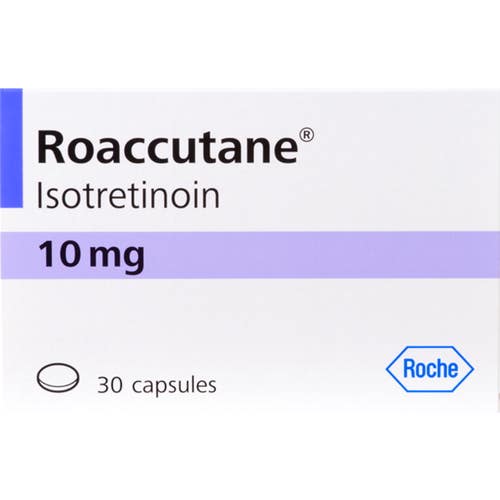
In terms of dosage, isotretinoinAacid is usually calculated based on body weight, and the daily dose is between 0.5~1.0 mg/kg and can be adjusted according to the condition and tolerance. The treatment course is generally 4~6 months, but in severe cases it can be extended to 12 months or treated in stages. Clinically, low-dose maintenance therapy is also used to reduce the risk of recurrence.
Despite its remarkable efficacy, isotretinoinAacid also has certain side effects and needs to be strictly monitored during use. Common adverse reactions include dry skin, cheilitis, dry nasal cavity and dry eyes; systemic reactions such as increased blood lipids and abnormal liver function may also occur. Therefore, patients need to undergo liver function, blood lipids and other related tests before taking medication, and review them regularly during treatment. Female patients must strictly avoid contraception during the medication, because isotretinoin Aacid is highly teratogenic to the fetus and is contraindicated in pregnancy.
Long-term follow-up shows that the acne recurrence rate after isotretinoinAacid treatment is significantly lower than that of traditional treatment methods. After completing the course of treatment, most patients' skin oil secretion is significantly reduced, and acne and inflammatory skin lesions are effectively controlled. Patients generally report that the treatment has significant effects and that their quality of life and self-confidence have been improved. However, due to drug side effects and high cost, it is necessary to fully evaluate the pros and cons before treatment, and individualize medication under the guidance of a doctor.
In general, Roaccutan (isovitamin Aacid) soft capsules have a significant therapeutic effect on moderate to severe acne due to its multi-target mechanism of action. It can effectively control the occurrence and recurrence of acne by inhibiting sebum secretion, regulating the keratinization process, reducing inflammation and improving the skin microenvironment. Scientific and reasonable dosage and treatment course management, coupled with strict monitoring of adverse reactions, are the keys to ensuring its safety and efficacy.
Reference materials:https://www.drugs.com/
[ 免责声明 ] 本页面内容来自公开渠道(如FDA官网、Drugs官网、原研药厂官网等),仅供持有医疗专业资质的人员用于医学药学研究参考,不构成任何治疗建议或药品推荐。所涉药品可能未在中国大陆获批上市,不适用于中国境内销售和使用。如需治疗,请咨询正规医疗机构。本站不提供药品销售或代购服务。


