
.jpeg)
Can ixazomib (Enleri) be used in combination with dexamethasone and precautions
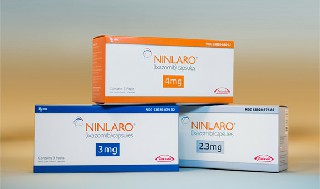
Ixazomib (Ixazomib) is an oral proteasome inhibitor mainly used for the treatment of multiple myeloma. As a new type of oral targeted drug, ixazomib can selectively inhibit the 26S proteasome in myeloma cells, thereby preventing protein degradation and leading to tumor cell apoptosis. Clinically, ixazomib alone has shown some efficacy in the treatment of multiple myeloma, but studies have shown that combining it with dexamethasone can significantly enhance the therapeutic effect, especially in refractory or relapsed patient groups. The core of the combination program lies in the synergy between drugs: ixazomib directly kills tumor cells by inhibiting proteasome function, while dexamethasone enhances the anti-tumor effect through anti-inflammation, immune regulation and induction of tumor cell apoptosis.
In terms of specific medication regimen, ixazomib is usually taken orally once a week, while dexamethasone is taken intermittently according to the patient's constitution and condition. The common dosage is 1 to 2 times a week. The purpose of designing a combination regimen is to maximize the anti-tumor synergistic effects of the two drugs while minimizing the occurrence of adverse reactions. Based on clinical studies, the dose for different patients may need to be individually adjusted based on renal function, liver function and previous treatment history. For example, patients with renal insufficiency may need a reduced dose of ixazomib, while patients who are sensitive to dexamethasone or have diabetes need to monitor blood glucose levels closely and make appropriate adjustments.
Safety issues cannot be ignored when using ixazomib and dexamethasone together. Clinical data indicate that combination therapy may increase the risk of hematological adverse reactions, including neutropenia, thrombocytopenia, and anemia. In addition, patients may also experience gastrointestinal reactions such as nausea, vomiting, diarrhea, fatigue, peripheral neuropathy, muscle or joint pain and other symptoms. Therefore, before treatment, doctors usually conduct a comprehensive evaluation, including blood routine, liver and kidney function, neurological examination, etc. During the treatment process, blood indicators and patient symptoms should be regularly monitored, and the dose should be appropriately adjusted or the dosing interval extended according to the severity of adverse reactions to ensure the safety of the treatment.
Patient education and medication management are also crucial aspects of combined therapy. Patients need to strictly abide by the doctor's instructions and take the medicine. They are not allowed to adjust the dosage or stop the medicine midway, so as not to affect the therapeutic effect. At the same time, attention should be paid to lifestyle management, including reasonable diet, adequate rest, moderate exercise, and infection prevention measures. For patients with diabetes, hypertension, or other chronic diseases, more stringent monitoring is required during treatment. If serious adverse reactions or persistent discomfort occur, the attending physician should be contacted immediately for appropriate medication adjustments or supportive treatment. Taken together, the combined use of ixazomib and dexamethasone has shown significant efficacy in the treatment of multiple myeloma, but it must be carried out under the guidance of professional doctors and follow the principle of individualized medication to ensure a balance between therapeutic effect and medication safety.
In recent years, a number of clinical studies have further verified the feasibility and durability of the combination of ixazomib and dexamethasone in long-term treatment. This combination regimen has shown a higher response rate and longer progression-free survival in patients of different age groups, previous treatment histories, and disease severity. Studies have also shown that the convenience of oral ixazomib results in higher patient compliance than traditional injectable proteasome inhibitors, while reducing the frequency of medical visits and medical cost burden. In addition, through reasonable combination dose design, adverse reactions can be controlled within an acceptable range while ensuring efficacy, and the overall quality of life of patients can be improved. In short, the combined use of ixazomib and dexamethasone not only has advantages in anti-tumor efficacy, but also provides patients with a more flexible and safe treatment option, becoming one of the important strategies for the clinical treatment of multiple myeloma.
Reference materials:https://www.drugs.com/
[ 免责声明 ] 本页面内容来自公开渠道(如FDA官网、Drugs官网、原研药厂官网等),仅供持有医疗专业资质的人员用于医学药学研究参考,不构成任何治疗建议或药品推荐。所涉药品可能未在中国大陆获批上市,不适用于中国境内销售和使用。如需治疗,请咨询正规医疗机构。本站不提供药品销售或代购服务。


