
.jpeg)
The efficacy of everolimus (Afinitor) on tumor shrinkage and patient feedback evaluation
Everolimus (Everolimus) is an oral anti-tumor drug targeting the mTOR signaling pathway. It mainly exerts anti-tumor effects by inhibiting cancer cell proliferation and angiogenesis. In clinical application, everolimus is widely used to treat renal cell carcinoma, pancreatic neuroendocrine tumors, breast cancer and some solid tumors. Studies have shown that everolimus can effectively delay tumor growth and achieve tumor shrinkage in some patients. Its anti-tumor mechanism not only acts on the tumor cells themselves, but also slows down the nutrient supply to the tumor by inhibiting angiogenesis in the tumor microenvironment.
In terms of tumor shrinkage, multiple clinical trials have shown that everolimus can achieve partial response (PR) and prolong progression-free survival (PFS) in patients with renal cell carcinoma and pancreatic neuroendocrine tumors. Especially in patients who have previously received other targeted therapies or failed chemotherapy, everolimus still shows certain efficacy. For example, some studies have shown that in patients with advanced renal cancer, treatment with everolimus can significantly reduce tumor volume after 3 to 6 months of treatment and maintain a stable state for more than several months. Efficacy performance varies depending on individual patient differences, tumor type and disease severity, so individualized treatment plans are particularly important.
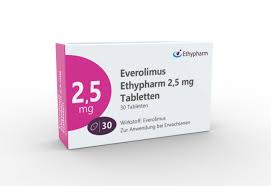
Feedback from patients after using everolimus is generally positive, with many patients reporting significant tumor control effects and delayed disease progression. However, adverse drug reactions are also common, including oral ulcers, rashes, abnormal blood counts, increased risk of infection, and disorders of lipid metabolism. Patients need to regularly monitor blood routine, liver and kidney function, blood sugar, and blood lipid levels during the course of taking it, and cooperate with the doctor for dose adjustment or symptomatic treatment to ensure the efficacy while reducing the impact of side effects on the quality of life. For patients who experience severe side effects, they should seek medical treatment promptly and consider discontinuing the drug or adjusting the dosage for a short period of time.
In summary, everolimus has a clinically significant effect on shrinking and delaying disease progression in some tumor patients, and is especially suitable for advanced patients who have poor response to previous treatments. The effectiveness of its use is closely related to individual differences among patients and requires individualized management under the guidance of a doctor. Through scientific monitoring and adverse reaction management, patients can obtain better treatment benefits while ensuring safety, thereby improving quality of life and overall survival rate.
Reference materials:https://www.drugs.com/
[ 免责声明 ] 本页面内容来自公开渠道(如FDA官网、Drugs官网、原研药厂官网等),仅供持有医疗专业资质的人员用于医学药学研究参考,不构成任何治疗建议或药品推荐。所涉药品可能未在中国大陆获批上市,不适用于中国境内销售和使用。如需治疗,请咨询正规医疗机构。本站不提供药品销售或代购服务。


