
.jpeg)
Clinical efficacy evaluation of seripalase (BRINEURA) and analysis of patient effects after use
Seripase (BRINEURA) is an enzyme replacement therapy drug used to treat a rare neurological genetic disease - neuronal gangliosidosis 2 type (CLN2 disease). Its main ingredient is modified hydroxyacylase (cerliponase alfa), aims to supplement the missing or insufficiently active TPP1 enzyme in patients, thereby slowing down the neurodegenerative process and improving the patient's quality of life. Clinical studies have shown that BRINEURA can directly act on the central nervous system and significantly delay the deterioration of motor and language functions in children with CLN2 disease, bringing new hope to patients who had almost no effective treatments in the past.
In terms of clinical efficacy, the results of multiple studies and registration trials have shown that BRINEURA has significant advantages in improving or stabilizing motor function and language ability. Patients who received drug treatment had a significantly slower decline in Parkinson's functional scores (such as the CLN2 scoring system), and the progression of neurodegenerative changes was significantly delayed compared with untreated patients. Especially in patients who are diagnosed early and use BRINEURA in a timely manner, the efficacy is more obvious and they can maintain their daily living abilities and independence within a certain period of time.
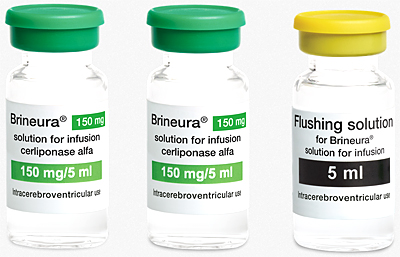
Analysis of patient effects after use shows that the safety of BRINEURA’s treatment regimen is generally controllable, but it is still necessary to pay attention to possible side effects during the treatment process. The most common adverse reactions include surgery-related risks (because the drug is administered via intracerebroventricular injection), fever, vomiting, and injection site reactions. Despite these risks, with close monitoring, most patients tolerate treatment and significantly benefit from slowing disease progression. During long-term follow-up, some patients were able to maintain better language communication skills and basic motor functions, demonstrating the sustained efficacy of the drug.
In addition, the therapeutic effect of BRINEURA is closely related to the patient's age, early diagnosis of the disease and the time when treatment is started. Patients with early intervention benefit more obviously than those who receive treatment at a later stage, which also prompts clinicians to identify CLN2 disease as early as possible and initiate drug treatment. At the same time, collaborative management by family members and the medical team is crucial to ensure continuity of medication regimen, monitor side effects, and optimize quality of life. Taken together, the value of BRINEURA in the treatment of CLN2 disease is not only reflected in delaying the progression of the disease, but also improving patients' daily living abilities, providing tangible clinical benefits to children with rare diseases and their families.
Reference materials:https://www.drugs.com/
[ 免责声明 ] 本页面内容来自公开渠道(如FDA官网、Drugs官网、原研药厂官网等),仅供持有医疗专业资质的人员用于医学药学研究参考,不构成任何治疗建议或药品推荐。所涉药品可能未在中国大陆获批上市,不适用于中国境内销售和使用。如需治疗,请咨询正规医疗机构。本站不提供药品销售或代购服务。


