
.jpeg)
Detailed explanation of which effect is more superior between Anagrelide and interferon treatment
Anagrelide (Anagrelide) and interferon (Interferon) are the treatments for essential thrombocythemia (ET, Essential Thrombocythemia) There are obvious differences in their mechanisms of action, efficacy and side effects. Anagrelide mainly inhibits the differentiation and proliferation of bone marrow megakaryocytes, thereby reducing platelet levels, and has a rapid onset of action, and the platelet-lowering effect can usually be observed within a few weeks; while interferon mainly inhibits abnormal bone marrow proliferation by regulating the immune system, and has a mild effect, but can have a certain impact on platelets, white blood cells, and red blood cells.
In terms of efficacy, multiple clinical studies have shown that anagrelide is more effective in controlling platelet levels in the short term, and is especially suitable for patients with highly elevated platelets and risk of thrombosis. Although interferon has a slightly slower platelet-lowering effect, long-term use can improve bone marrow morphological abnormalities and may delay disease progression, making it more suitable for young patients and pregnant women. Generally speaking, anagrelide is more suitable for adult patients who need rapid control of platelets, while interferon is suitable for patients who want to maintain bone marrow stability for a long time.
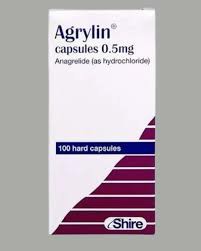
In terms of side effects, headache, palpitations and mild edema are common with anagrelide. A few patients may experience cardiovascular events and need to monitor cardiac function. Interferon may cause flu-like symptoms, hematological toxicity and psychological adverse reactions, and may also affect liver function when used for a long time. In contrast, anagrelide is relatively better than interferon in terms of tolerability, but attention should be paid to cardiovascular risk assessment.
Taken together, the choice of treatment regimen should be based on the patient's age, severity of illness, risk of thrombosis or bleeding, and individual tolerance. For patients with highly elevated platelets who are in urgent need of control, anagrelide has more advantages in short-term efficacy; while for long-term disease management and bone marrow protection, interferon still has unique advantages. In clinical practice, some patients can choose combined or sequential treatment with anagrelide and interferon under the guidance of a doctor to maximize the efficacy and reduce the risk of adverse reactions.
Reference materials:https://www.drugs.com/
[ 免责声明 ] 本页面内容来自公开渠道(如FDA官网、Drugs官网、原研药厂官网等),仅供持有医疗专业资质的人员用于医学药学研究参考,不构成任何治疗建议或药品推荐。所涉药品可能未在中国大陆获批上市,不适用于中国境内销售和使用。如需治疗,请咨询正规医疗机构。本站不提供药品销售或代购服务。


