
.jpeg)
Analysis of the comparative efficacy and applicable patient groups of febuxostat (fibrebide) and colchicine
There are obvious differences between febuxostat (Febuxostat) and colchicine (Colchicine) in the treatment of gout and hyperuricemia. Their mechanisms of action, efficacy and applicable groups have different focuses. First of all, febuxostat is a xanthine oxidase inhibitor (XOI). By inhibiting xanthine oxidase activity, it reduces uric acid production and fundamentally regulates blood uric acid levels, thereby reducing the risk of gout attacks and uric acid crystal deposition. In contrast, colchicine is mainly used to relieve the inflammatory response in acute gout attacks. It quickly relieves pain, redness and swelling by inhibiting the migration of neutrophils and the release of inflammatory mediators, but its long-term control effect on blood uric acid levels is limited.
In terms of efficacy, febuxostat is more suitable for long-term use. It can significantly reduce blood uric acid levels and reduce the occurrence of gout nodules and joint damage. It is especially effective for patients with chronic hyperuricemia and those with repeated gout attacks. Colchicine has a significant effect in the acute attack phase and can relieve pain within 24 to 48 hours. However, it has limited effect on preventing future gout attacks or reducing uric acid levels, so it is not suitable as a long-term single treatment drug. Clinically, doctors usually use colchicine during acute attacks and initiate febuxostat for long-term uric acid management to achieve a combined acute and slow treatment strategy.
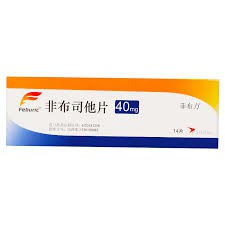
In terms of applicable patient groups, febuxostat is especially suitable for patients with chronic hyperuricemia, mild to moderate renal impairment, or intolerance to allopurinol. Due to its unique mechanism of reducing uric acid, it has certain requirements on liver function, so liver function indicators need to be monitored regularly. Colchicine is suitable for patients with acute gout attacks and individuals who require short-term anti-inflammatory control. At the same time, patients with renal insufficiency also need to adjust the dose carefully to avoid drug accumulation and toxic side effects.
In clinical applications, the two are often used together to optimize efficacy. Febuxostat is used as a basic long-term treatment drug to control blood uric acid levels and reduce recurrent gout attacks; while colchicine can quickly relieve symptoms during acute attacks and achieve immediate pain relief and inflammation control. Doctors will develop an individualized treatment plan based on the patient's course of disease, kidney function, liver function and previous medication history to balance efficacy, safety and quality of life to ensure optimal long-term management results for gout patients.
Reference materials:https://www.drugs.com/
[ 免责声明 ] 本页面内容来自公开渠道(如FDA官网、Drugs官网、原研药厂官网等),仅供持有医疗专业资质的人员用于医学药学研究参考,不构成任何治疗建议或药品推荐。所涉药品可能未在中国大陆获批上市,不适用于中国境内销售和使用。如需治疗,请咨询正规医疗机构。本站不提供药品销售或代购服务。


