
.jpeg)
FDA approves once-monthly injection of mirikizumab for moderately to severely active ulcerative colitis
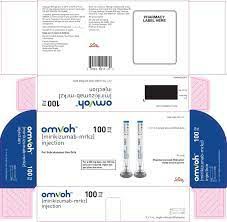
The U.S. Food and Drug Administration approves (FDA)Mirikizumab(Mirikizumab)-Omvoh for subcutaneous injection in adults with moderately to severely active ulcerative colitis (UC). This instruction is for monthly maintenance injections.
In clinical practice, it has been observed that streamlining maintenance therapy can change the overall patient experience. Monthly injections of militizumab offer patients a more manageable regimen while adding to the unpredictability of life with ulcerative colitis. The approval was based on a Phase 1 study that compared 200mg/2mL injection with 2100mg/1mL injection. The results showed that the single injection was bioequivalent to the previously approved 2-dose regimen. At the start of the study, patients were treated with a loading dose of 300 mg of militizumab intravenously every 4 weeks for 3 times, then transitioned to subcutaneous maintenance at week 12.1.
Eli Lilly also released data on the drug showing early improvement in bowel urgency, severity, frequency and time to defecation at week 12 in patients with moderately to severely active ulcerative colitis. Additionally, the company reported that these results continued to improve through 28 weeks.
In the Phase 3b study ofLUCENT-URGE (NCT05767021), researchers aimed to determine how militizumab affected bowel urgency in adults with ulcerative colitis. Included were patients who had been diagnosed with ulcerative colitis for 3 months or longer, had a diagnosis of moderately or severely active ulcerative colitis, had current bowel urgency, and had an inadequate response or loss of response to biologic Janus kinase inhibitors or sphingosine-1 phosphate receptors. The primary outcome included change from baseline in bowel urgency using the Numeric Urgency Rating Scale. Secondary outcomes included change from baseline in the frequency of bowel exacerbations and the percentage of individuals achieving clinically meaningful improvements in the number of bowel exacerbations, defecation delay interval, and defecation delay time.
In this study, at At 28 weeks, bowel urgency decreased by 52%, with the mean rating scale falling from 6.9 at baseline to 3.7 at week 12. In week 28, the rating fell to 3.3. In terms of frequency, the researchers reported that they experienced a 55% reduction in the number of bowel emergencies compared to baseline, from 6.9 to 3.1 episodes. It remains at week 28. For defecation delay time, the proportion of patients who were able to delay defecation for at least 15 minutes or without an emergency increased from 4.1% to 15% at week 12 and to 29.7% at week 28
People suffering from ongoing discomfort and confusion caused by ulcerative colitis symptoms need treatments that have the potential to achieve lasting relief and offer a convenient dosing option that can be easily integrated into their lives. With this approval, patients who respond to induction therapy with militizumab can continue to receive maintenance therapy with just one monthly injection, using fewer injections to achieve the same effect.
References:https://www.drugtopics.com/view/fda-approves-mirikizumab-as-once-monthly-injection-for-moderately-to-severely-active-ulcerative-colitis
[ 免责声明 ] 本页面内容来自公开渠道(如FDA官网、Drugs官网、原研药厂官网等),仅供持有医疗专业资质的人员用于医学药学研究参考,不构成任何治疗建议或药品推荐。所涉药品可能未在中国大陆获批上市,不适用于中国境内销售和使用。如需治疗,请咨询正规医疗机构。本站不提供药品销售或代购服务。


