
.jpeg)
Effects of mirikizumab in the treatment of ulcerative colitis
Milikizumab(Mirikizumab) is a monoclonal antibody targeting IL-23. It is a new biologic agent and is used to treat patients with moderately to severely active Ulcerative Colitis(Ulcerative Colitis, UC). The IL-23 signaling pathway plays a central role in the immune-inflammatory response in ulcerative colitis. It drives the persistence of intestinal inflammation by promoting T helper cell (Th17) differentiation and the production of inflammatory factors. By selectively blocking IL-23, Militizumab inhibits the inflammatory response from the source, improves patient symptoms, and reduces the risk of long-term intestinal damage.
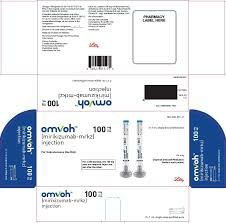
In clinical studies, militizumab has shown good clinical efficacy. The first trial involving 1,162 patients with moderate to severe UC showed that approximately 24% of patients who received the recommended dose infusion for more than 8 weeks achieved clinical remission at week 12, which included symptom improvement and a significant reduction in endoscopic inflammation. In the control group who received a placebo, only about 13% of patients achieved the same effect. Clinical remission was assessed by the modified Mayo score (MMS), which comprehensively considers bowel movement frequency, rectal bleeding, and endoscopic inflammatory markers to provide a standardized quantification method for the efficacy of UC.
Subsequent maintenance therapy studies further verified the long-term efficacy of militizumab. Among the 544 patients who responded to militizumab in the first study, maintenance treatment was administered with low-dose subcutaneous injections every 4 weeks. About 50% of the patients were still in clinical remission at 40 weeks, compared with only 25% of the placebo group. This data shows that militizumab can not only improve UC symptoms in the short term, but also stably control the disease during the maintenance period, thereby reducing the number of acute attacks and improving quality of life. In addition, militizumab treatment can still be effective in some patients who are resistant to traditional immunosuppressants or glucocorticoids, providing a new option for the treatment of patients with refractory UC.
The safety of militizumab is also relatively controllable. Clinical data shows that common side effects include mild upper respiratory tract infection, injection site reaction, etc., and the incidence of serious adverse events is low. This provides guarantee for long-term maintenance treatment, allowing patients to obtain effective relief while having a low risk of side effects, making it suitable for clinical promotion.
Reference materials:https://omvoh.lilly.com/
[ 免责声明 ] 本页面内容来自公开渠道(如FDA官网、Drugs官网、原研药厂官网等),仅供持有医疗专业资质的人员用于医学药学研究参考,不构成任何治疗建议或药品推荐。所涉药品可能未在中国大陆获批上市,不适用于中国境内销售和使用。如需治疗,请咨询正规医疗机构。本站不提供药品销售或代购服务。


