
.jpeg)
Precautions for use of Pimitespib and safety guide for daily medication
Pimitespib is an oral small molecule HSP90 inhibitor that was first approved in Japan. It is mainly used to treat patients with advanced gastric cancer who have progressed after multiple lines of treatment, especially those who have received third-line treatment after chemotherapy, immunotherapy and targeted therapy have failed. As a new type of targeted drug, pimetibib inhibits the HSP90 molecular chaperone protein and blocks multiple cancer-related signaling pathways to inhibit tumor cell proliferation and promote apoptosis. Because the drug has a special mechanism and a wide range of action targets, it is necessary to strictly abide by the doctor's instructions during use, pay attention to drug safety, and prevent improper use from aggravating adverse reactions or affecting the efficacy.
Before initiating pimotebib treatment, patients should undergo a comprehensive physical examination and laboratory evaluation, including liver and kidney function, electrocardiogram, and basic blood routine and biochemical tests. Doctors will decide whether the drug is suitable for use based on the patient's condition, physical status (such as ECOG score), previous treatment history, and comorbidities. For pregnant women, lactating women, and patients with severe liver and kidney dysfunction, the risks should be carefully evaluated; if there are contraindications, use should be avoided. In addition, patients should truthfully inform their doctors about other drugs they are currently taking, especially drugs that may affect CYP enzyme metabolism, so as to avoid drug interactions, which may lead to abnormal blood concentrations of pimetibib, resulting in toxicity or reduced efficacy.
Pimetibib is usually an oral preparation and must be taken strictly according to the dosage and time prescribed by the doctor. It is recommended to take the medicine at a fixed time every day to keep the blood concentration stable to obtain better therapeutic effects. When taking the medicine, the tablet should be swallowed whole and should not be crushed or chewed to avoid affecting drug release and absorption. During medication, avoid taking it with foods that may interfere with drug metabolism, such as grapefruit juice. In addition, you should try to avoid missing a dose. If the missed dose is short, you can take it as soon as possible on the same day; if it is close to the next dose time, you should skip the missed dose and never take a double dose at one time to make up for the missed dose. During long-term medication, patients should develop the habit of recording their medication so that doctors can evaluate efficacy and tolerability during follow-up visits.
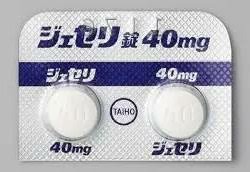
Pimetibib may cause a variety of adverse reactions during clinical use. The more common ones include diarrhea, decreased appetite, nausea, vomiting, fatigue, and increased liver function indicators. Diarrhea is one of the most common adverse reactions that requires focused management. Patients should take antidiarrheal drugs, such as loperamide, in time when symptoms appear in the early stages, and add enough fluids to prevent dehydration. If the diarrhea is severe or persists, you should seek medical treatment promptly, and the doctor will decide whether to reduce the dosage or temporarily discontinue the medication. For patients with abnormal liver function, liver function needs to be reviewed regularly. Once there is a significant increase, medication should be adjusted under the guidance of a doctor. If serious adverse reactions such as persistent high fever, severe fatigue, jaundice or difficulty breathing occur, you should stop taking the medication immediately and contact a medical institution.
The metabolism of pimetibib is closely related to the CYP enzyme system, so special attention should be paid to interactions when used in combination with other drugs. For example, potentCYP3A4Inhibitors may increase the plasma concentration of pimetibib and increase the risk of adverse reactions; while strong inducers may reduce the efficacy. Patients should avoid adding herbal medicines, health products or over-the-counter medicines on their own during medication, especially preparations containing St. John’s Wort (St. John’s Wort), because such products may accelerate metabolism and affect the efficacy of the medicine. At the same time, you should maintain a balanced diet and avoid overeating or excessive drinking, as these behaviors may cause additional burden on the liver, thereby increasing the risk of medication.
For elderly patients, patients with multiple chronic diseases, and people with poor immune function, pimetibi needs to be used with more caution. These patients are more likely to experience drug-related toxicities and may have longer recovery times if adverse reactions occur. Therefore, doctors usually adjust the dosage or extend the dosing interval appropriately according to the actual situation. Patients who have been taking pimotebi for a long time should go to the hospital for regular review, including evaluation of liver and kidney function, electrocardiogram and tumor imaging, to judge the efficacy and safety of the drug. Once signs of drug resistance or progression are found, you should communicate with your doctor promptly and adjust the treatment plan.
During the entire treatment process, patients should maintain close communication with the attending doctor and provide timely feedback on physical changes. You can prepare a "Medication and Symptom Record Book" to record daily medication time, adverse reactions, diet, weight changes and other information in detail to facilitate doctors to analyze drug reactions and adjust dosage. If you plan to go out or travel during the medication period, you should bring enough medication in advance and store the medication away from high temperature and humid environments. In the event of an emergency (such as severe diarrhea, high fever, difficulty breathing), you should contact your doctor or go to the emergency room immediately, and you should not stop taking the medicine or increase the dosage on your own.
Overall, as a new targeted therapy drug, pimetibib can provide a new treatment option for some patients with advanced gastric cancer, but its use must be strictly in compliance with medical instructions. Patients should fully understand possible adverse reactions and risks before taking medication, follow standardized medication methods, regularly monitor physical conditions, and pay attention to drug interactions and lifestyle adjustments. Through close cooperation between doctors and patients, scientific management and reasonable monitoring, the therapeutic effect of pimetibib can be improved, the incidence of adverse reactions can be minimized, and the safety of medication can be ensured.
Reference materials:https://www.drugs.com/
[ 免责声明 ] 本页面内容来自公开渠道(如FDA官网、Drugs官网、原研药厂官网等),仅供持有医疗专业资质的人员用于医学药学研究参考,不构成任何治疗建议或药品推荐。所涉药品可能未在中国大陆获批上市,不适用于中国境内销售和使用。如需治疗,请咨询正规医疗机构。本站不提供药品销售或代购服务。


