
.jpeg)
A comprehensive comparison of the efficacy and side effects of furmonertinib and osimertinib
Furmonertinib (Furmonertinib) and osimertinib (Osimertinib) both belong to the third generationEGFR< span>Tyrosine kinase inhibitors (TKI) are mainly used to treat EGFR mutation-positive non-small cell lung cancer (NSCLC). Both can selectively inhibit sensitive mutations and T790Mresistant mutations, while having a weak inhibitory effect on wild-type EGFR, thus improving efficacy while reducing the risk of common side effects of traditional TKIs: rash and diarrhea. Fumetinib is a third-generation EGFR-TKI independently developed in China. Osimertinib is the first third-generation EGFR-TKI to be launched globally and is widely used in international clinical practice.
In clinical trials, fumetinib was used in T790MpositiveNSCLC stage II FURLONG studies showed that The progression-free survival (PFS) is approximately 9.6 months, and the objective response rate (ORR) is close to 74%, showing good anti-tumor activity. Among first-line NSCLC patients in China, the phase III FURMONET study also showed that fumetinib has a significant effect on prolonging PFS in patients with EGFR sensitive mutations. Osimertinib's progression-free survival was approximately 10 in the AURA3 and FLAURA studies. 1-18.9 months, ORR is between 61%-80%, especially in patients with brain metastases. Overall, the difference in efficacy between the two is limited, but fumetinib has shown good accessibility and efficacy among domestic patient groups.
Common side effects of fumetinib and osimertinib are mainly rash, diarrhea, stomatitis and mild liver function abnormalities. Fumetinib mostly has grade 1-2 adverse reactions in clinical practice, and the incidence of serious side effects is low; osimertinib has grade 3-4 grade adverse reactions include interstitial lung disease (ILD), QT interval prolongation and severe diarrhea, etc. The incidence is low but attention needs to be paid. Both can be managed through dose adjustment, symptomatic management, or short-term discontinuation. Fumetinib has been shown to be well tolerated in domestic patients, and long-term safety data continues to accumulate, while osimertinib is widely used around the world, and long-term follow-up data shows that its risk of cardiopulmonary, liver and kidney toxicity is controllable.
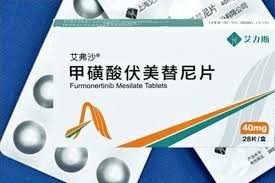
Osimertinib has shown significant efficacy in patients with brain metastases. It has strong blood-brain barrier penetration and the median brain PFS can reach 15 more than 15 months. Fumetinib has also shown certain efficacy in patients with mild to moderate brain metastases in clinical data, but compared with osimertinib, data on the control of brain metastases are still in the accumulation stage. For elderly patients or patients with impaired hepatic and renal function, both should be used with caution and the dosage adjusted according to individual tolerance.
As a domestic innovative drug, fumetinib can be obtained through medical insurance or clinical trials in China. The price is relatively controllable, making it convenient for domestic patients to use. Osimertinib is an imported drug with a higher price, but clinical data and guidelines support its widespread use in first-line and drug-resistant NSCLC cases. When choosing, decisions can be made based on the patient's financial ability, medical insurance coverage and clinical characteristics.
In general, fumetinib and osimertinib have similar efficacy in the treatment of EGFR mutation-positiveNSCLC, and both can prolong progression-free survival and improve response rates. In terms of side effects, fumetinib is well tolerated among domestic patients, while osimertinib has sufficient long-term data among global patient groups. In terms of brain metastasis control, the data of osimertinib are more mature. In clinical application, appropriate drugs should be selected individually based on the patient's mutation type, brain metastasis, previous medication history, economic conditions and medical insurance coverage, and blood routine, liver and kidney function and cardiac indicators should be strictly monitored to ensure efficacy and safety.
Reference materials:https://www.drugs.com/
[ 免责声明 ] 本页面内容来自公开渠道(如FDA官网、Drugs官网、原研药厂官网等),仅供持有医疗专业资质的人员用于医学药学研究参考,不构成任何治疗建议或药品推荐。所涉药品可能未在中国大陆获批上市,不适用于中国境内销售和使用。如需治疗,请咨询正规医疗机构。本站不提供药品销售或代购服务。


