
.jpeg)
How is Anagrelide clinically effective and patients’ real medication experience shared
Anagrelide is an oral platelet production inhibitor mainly used to treat essential thrombocythemia (Essential Thrombocythemia, ET) and other hyperplateletemias. Its main mechanism of action is to reduce platelet production by inhibiting megakaryocyte maturation and differentiation. Anagrelide can effectively lower platelet levels and reduce the risk of thrombosis, and it also shows a certain relieving effect in patients with myelofibrosis. As a non-cytotoxic drug, the emergence of anagrelide provides an alternative option for patients who are not suitable for traditional chemotherapy or interferon therapy.
In clinical trials, anagrelide has shown good efficacy. Most studies have shown that after 2 to 4 weeks of conventional dose treatment, patients' platelet levels can significantly drop to normal or close to the normal range. During long-term follow-up, approximately 70%-80% of ET patients were able to maintain platelet control, while the incidence of thrombotic and bleeding events was significantly reduced. Anagrelide has a faster onset of action and is suitable for patients who need rapid control of platelet levels. Compared with traditional cytotoxic drugs, anagrelide's side effects are mostly controllable cardiovascular symptoms and gastrointestinal reactions, and its inhibitory effect on the hematopoietic system is relatively small, so long-term maintenance treatment is better tolerated.
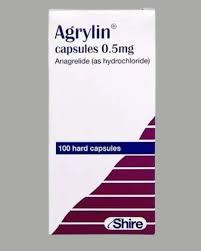
Many patients who use anagrelide report that its oral administration method is convenient, does not require frequent infusions, and can be self-administered in daily life. Some patients experience palpitations, headaches or mild nausea at the beginning of taking the medication, but most symptoms can be relieved by adjusting the dose or taking the medication in divided doses. Patients generally report that after their platelet levels are controlled, their ability to perform daily activities and quality of life are significantly improved, such as reducing symptoms such as numbness of hands and feet, bleeding, or fatigue. In addition, some patients said that under regular review and physician guidance, the drug has stable efficacy and can maintain platelet control for a long time, reducing the number of hospitalizations and treatment burden.
During the course of medication, patients need to regularly monitor platelet count, electrocardiogram, and liver and kidney function to detect potential adverse reactions in a timely manner. Patients with cardiovascular diseases need to pay special attention to palpitations, chest pain and blood pressure changes, and adjust the dose or increase the frequency of follow-up if necessary. Some patients may experience edema, fatigue or mild gastrointestinal discomfort during long-term use, which should be relieved through lifestyle intervention or drug-assisted management. Patients and family members should understand the principles of drug use, insist on taking the drug as directed by the doctor, and avoid adjusting the dosage or stopping the drug on their own to ensure sustained and stable efficacy.
Overall, anagrelide has clear efficacy in essential thrombocythemia and related thrombocytosis diseases, can significantly reduce platelet levels and the incidence of thrombotic events, and is well tolerated. Patients generally have a good experience during use, and it can be easily managed in life. At the same time, through standardized monitoring and side effect management, most adverse reactions can be effectively controlled. As a non-cytotoxic platelet inhibitor, anagrelide provides a safe, long-term feasible treatment option for patients with ET, and provides a new standard and reference for clinical platelet management.
Reference materials:https://www.drugs.com/
[ 免责声明 ] 本页面内容来自公开渠道(如FDA官网、Drugs官网、原研药厂官网等),仅供持有医疗专业资质的人员用于医学药学研究参考,不构成任何治疗建议或药品推荐。所涉药品可能未在中国大陆获批上市,不适用于中国境内销售和使用。如需治疗,请咨询正规医疗机构。本站不提供药品销售或代购服务。


