
.jpeg)
Detailed explanation of the differences between Roaccutane (isotretinoin) and tretinoin and their different applicable situations
Isotretinoin (Isotretinoin) is an oral vitaminA derivative. It is a systemic retinoic acid drug and is mainly used to treat moderate to severe acne. Tretinoin (Tretinoin) usually refers to all-trans vitamin Aacid, which is mostly a topical preparation used for local skin lesions. Although both belong to the retinoic acid class, Roaccutane is an oral systemic drug that acts on multiple organs and skin in the body, while vitamin Aacids are mostly for external use, and their effects are limited to the surface layer of the skin, with limited systemic absorption.
Roaccutane enters the blood circulation through oral administration, regulates the secretion of sebaceous glands, inhibits abnormal proliferation of keratinocytes, and inhibits inflammatory reactions, thereby significantly reducing sebum secretion and rash formation in moderate to severe acne. Vitamin AAacid mainly promotes the renewal of the stratum corneum, reduces hair follicle keratosis and the formation of micro-acne through topical application, and can improve mild to moderate acne, skin pigmentation, aging spots, etc.
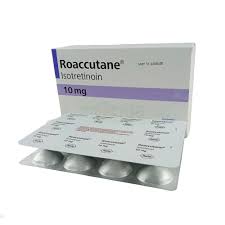
Roaccutane is suitable for patients with moderate to severe nodular or cystic acne or those who are unresponsive to conventional topical and oral antibiotic treatments. Due to oral systemic effects, it can significantly improve the condition in the short term, but requires strict monitoring of liver function, blood lipids, and reproductive safety. Vitamin Aexternal application is suitable for mild to moderate acne, pimples or post-acne pigmentation problems. The main side effects are local irritation, erythema and desquamation. System monitoring is usually not required and it is highly safe.
Clinically, doctors will choose to use Roaccutane or Vitamin Aaccording to the severity of the patient's condition, tolerance and previous treatment history. Patients with moderate to severe or repeated relapses may prefer oral therapy with Roaccutane, in conjunction with regular laboratory examinations; patients with mild to moderate symptoms or local problems may prefer topical vitamin Aacid treatment. The two can also be used together to achieve rapid and long-lasting effects through oral+topical regimen while taking into account safety and tolerability.
Reference materials:https://www.drugs.com/
[ 免责声明 ] 本页面内容来自公开渠道(如FDA官网、Drugs官网、原研药厂官网等),仅供持有医疗专业资质的人员用于医学药学研究参考,不构成任何治疗建议或药品推荐。所涉药品可能未在中国大陆获批上市,不适用于中国境内销售和使用。如需治疗,请咨询正规医疗机构。本站不提供药品销售或代购服务。


