
.jpeg)
What are the side effects of Trientine?
Trientine(Trientine), as a copper ion chelator, plays an important role in the treatment of Wilson's disease (rare disease), but it may still cause certain adverse reactions during long-term use. Overall, the drug is well tolerated and has a significantly lower incidence of adverse reactions than penicillamine, but it still needs to be used with caution under the guidance of a doctor.
The most common side effects include gastrointestinal upset, such as nausea, vomiting, abdominal pain, or decreased appetite. These symptoms usually appear in the early stages of treatment and are related to the irritation of the gastric mucosa by the drug and the increased excretion of metal ions. Patients are advised to take the medication on an empty stomach and maintain a regular diet to reduce stomach discomfort.
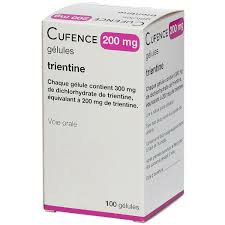
Second, trientine may cause iron deficiency anemia. Because the drug will chelate iron ions at the same time, thereby affecting the body's iron absorption, long-term use may cause hemoglobin to decrease. Patients need to undergo regular blood routine and iron metabolism tests, and supplement iron supplements under the guidance of a doctor when necessary.
Some patients may experience a temporary worsening of neurological symptoms during the initial treatment phase, including tremors, slurred speech, or unsteady gait. This is due to the drug rapidly mobilizing copper from tissues to release into the blood. This is generally a reversible reaction, and doctors usually relieve symptoms by adjusting the dose or combining it with other drugs.
In addition, a small number of patients may develop symptoms such as rash, proteinuria, and mild abnormalities in liver function indicators. Such side effects are relatively rare and are mostly related to individual metabolic differences or excessive drug dosage. To ensure the safety of treatment, liver and kidney function, serum copper, and urinary copper levels should be regularly monitored to assess drug efficacy and tolerability.
Overall, the safety of trientine has been widely recognized clinically, especially in patients who cannot tolerate penicillamine. Most of its side effects are mild and reversible, and the risk can be significantly reduced through monitoring and individualized dose adjustment.
Reference materials:https://www.cufence.com/
[ 免责声明 ] 本页面内容来自公开渠道(如FDA官网、Drugs官网、原研药厂官网等),仅供持有医疗专业资质的人员用于医学药学研究参考,不构成任何治疗建议或药品推荐。所涉药品可能未在中国大陆获批上市,不适用于中国境内销售和使用。如需治疗,请咨询正规医疗机构。本站不提供药品销售或代购服务。


