
.jpeg)
The status and prospects of capmatinib (Touradida) in the targeted drug treatment of lung cancer
Capmatinib (Capmatinib, trade name Tabrecta) is a highly selective MET tyrosine kinase inhibitor developed by Novartis (Novartis). It mainly targets MET exon 14 skipping mutation (METex14 skipping) and MET Gene amplification is the first targeted drug approved by the US FDA for the treatment of MET mutated non-small cell lung cancer (NSCLC). MET mutations account for about 3%~4% of lung cancer, and are one of the important driver genes that have received attention in recent years. The launch of capmatinib marks that MET mutated lung cancer has officially entered the era of precision treatment, bringing new hope to patients who previously lacked effective treatments.
Capmatinib performed outstandingly in the global clinical studyGEOMETRY mono-1 trial. For untreated patients with advanced METex14mutated NSCLC, capmatinib’s objective response rate (ORR) was as high as 68%, with a median of no improvement. The progression survival (PFS) reached 12.4 months; and among patients who had previously received treatment, the ORR also reached 41%, showing good clinical efficacy. In addition, capmatinib also shows certain intracranial activity in patients with brain metastases, making it clinically one of the preferred drugs for patients with MET mutations, and also establishing an important position in the field of targeted therapy.
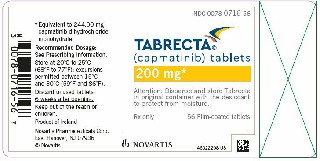
Capmatinib has been approved for marketing in China and has been included in the medical insurance directory, which has greatly improved the accessibility of MET mutation patients. With the popularity of NGS (next generation sequencing) in China, METThe detection rate of mutations is increasing year by year, allowing more patients to receive precise molecular typing and corresponding targeted therapy. Compared with early multi-target drugs such as crizotinib, capmatinib has higher selectivity and relatively mild side effects, and has become one of the main treatment options for patients with MET mutant NSCLC in China. In the future, as more real-world data accumulates, its use in first-line treatment is expected to continue to increase.
The development and application of capmatinib is only the starting point forMET targeted therapy. Currently, researchers are exploring combination treatment options of capmatinib with immunotherapy, chemotherapy, and other targeted drugs (such as EGFR-TKI) to extend the duration of efficacy and overcome drug resistance. Targeting the resistance mechanisms of MET mutations, such as secondary mutations or bypass activation, second-generation or combination treatment strategies may emerge in the future to further optimize efficacy. With the advancement of detection technology and the accumulation of clinical data, capmatinib's position in the targeted treatment system for lung cancer will be further consolidated, and its application prospects are very broad.
Reference materials:https://www.drugs.com/
[ 免责声明 ] 本页面内容来自公开渠道(如FDA官网、Drugs官网、原研药厂官网等),仅供持有医疗专业资质的人员用于医学药学研究参考,不构成任何治疗建议或药品推荐。所涉药品可能未在中国大陆获批上市,不适用于中国境内销售和使用。如需治疗,请咨询正规医疗机构。本站不提供药品销售或代购服务。


