
.jpeg)
Detailed instructions for standard usage, dosage and injection method of Doxorubicin
1. Overview of Drugs
Doxorubicin (Doxorubicin) is an anthracycline anti-tumor drug that embeds DNADouble helix, inhibits topoisomerase II activity, thereby blocking DNA replication and transcription of tumor cells and inducing cell apoptosis. It is widely used in chemotherapy regimens for a variety of malignant tumors, including breast cancer, lymphoma, ovarian cancer, lung cancer, and childhood malignant tumors. Doxorubicin has potent anti-tumor activity, but it also has adverse reactions such as bone marrow suppression, cardiotoxicity and gastrointestinal reactions. Therefore, standard usage and dosage must be strictly followed when using it.
2. Standard usage and dosage
Doxorubicin is mainly administered intravenously. The common dosage is based on the patient's body surface area (BSA, unit: m²), specific tumor type and previous chemotherapy regimen. The usual recommended dosage is as follows:
1.Common dosage for adults: intravenous injection 60-75 mg/m² per cycle (usually 21 days or 28 days). The specific dose is adjusted by the doctor according to the patient's weight, age and cardiac function.
2.Children’s dosage: generally recommended 30-60 mg/m²/period, and individualized adjustments based on the child’s weight and tolerance.
3.Cumulative dose limitation: To avoid cardiotoxicity, the cumulative lifetime dose of doxorubicin usually does not exceed 450-550 mg/m². Above this dose, cardiac function needs to be evaluated and alternative options considered.
The medication regimen is usually combined with other chemotherapy drugs, such as cyclophosphamide, vincristine, etc., to enhance the anti-tumor effect.
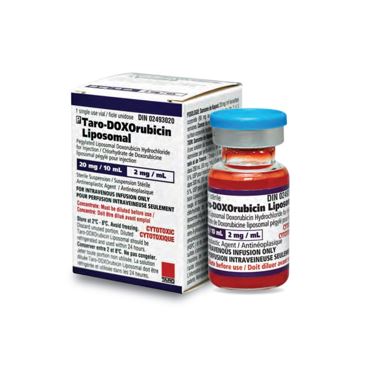
3. Injection methods and operating precautions
Doxorubicin is usually given by intravenous bolus or intravenous drip:
1.Intravenous bolus injection: The usual rate is 2-5 minutes, but rapid bolus injection should be avoided to reduce the risk of cardiotoxicity.
2.Intravenous drip: It is recommended to dilute the drug in 50-250 mL normal saline or glucose injection, and infuse slowly for 15-60 minutes, which can reduce local irritation and cardiotoxicity.
Operation precautions:
Avoid drug leakage, as doxorubicin is a strongly cytotoxic drug and leakage will cause local tissue necrosis.
Using an intravenous catheter or central venous catheter (such as PICC, Port) can reduce the risk of phlebitis and leakage.
Before taking medication, the patient's cardiac function, liver function and blood routine should be checked to ensure safe administration.
During the infusion process, if venous irritation, pain or redness or swelling occurs, the administration should be stopped immediately and the leakage should be treated, and the administration method should be adjusted if necessary.
4. Dosage cycle and combination regimen
The use of doxorubicin usually follows the principle of cyclic chemotherapy, and a rest period is required after each cycle. 21-28 days to facilitate bone marrow recovery. Common combination chemotherapy regimens include:
1.ACRegimen: Adriamycin (Doxorubicin)+ Cyclophosphamide, commonly used in breast cancer.
2.CHOPRegimen: cyclophosphamide, doxorubicin, doxorubicin, and prednisone combined for lymphoma.
3.VACRegimen: vincristine, doxorubicin, and cyclophosphamide for children with solid tumors.
In the combination regimen, the dose of doxorubicin may be appropriately adjusted based on the additive toxicity of other drugs to ensure safety and efficacy.
5. Medication Safety and Monitoring
1. Cardiotoxicity monitoring: Cardiac function (electrocardiogram, cardiac ultrasound) needs to be assessed before use, and long-term treatment requires regular review.
2.Monitoring of bone marrow suppression: Check blood routine before and after each cycle of chemotherapy, and adjust the dose or delay administration if necessary.
3. Liver function monitoring: Doxorubicin is mainly metabolized by the liver. Abnormal liver function requires dose reduction or delayed administration.
4.Skin and oral care: Avoid oral mucositis, hair loss and other adverse reactions that affect the quality of life.
Following strict dosing standards, cycle management and monitoring measures can reduce the safety risks of doxorubicin while ensuring efficacy.
Doxorubicin is a commonly used anthracycline chemotherapy drug in clinical practice and has significant curative effect on a variety of solid tumors and hematological tumors. By strictly following standard usage such as dose calculation based on body surface area, intravenous injection or drip administration, cyclic chemotherapy, and combination regimens, the anti-tumor effect of the drug can be maximized while reducing adverse reactions such as cardiotoxicity, bone marrow suppression, and local tissue damage. Patients need to make individual adjustments and regular monitoring under the guidance of professional doctors during use to ensure medication safety and therapeutic effect.
Reference materials:https://www.drugs.com/
[ 免责声明 ] 本页面内容来自公开渠道(如FDA官网、Drugs官网、原研药厂官网等),仅供持有医疗专业资质的人员用于医学药学研究参考,不构成任何治疗建议或药品推荐。所涉药品可能未在中国大陆获批上市,不适用于中国境内销售和使用。如需治疗,请咨询正规医疗机构。本站不提供药品销售或代购服务。


