
.jpeg)
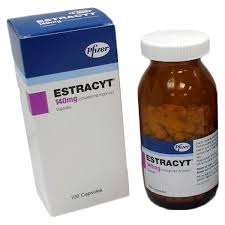
Summary of usage standards and medication precautions for estramustine (Adelox)
1. Overview of Drugs
Estramustine (Estramustine) is an oral anti-androgen and microtubule inhibitor compound drug, mainly used to treat advanced or metastatic prostate cancer. The drug achieves dual effects by combining a chemical group with a similar structure to estrogen and nitrogen mustard: on the one hand, it inhibits the biological activity of androgens and interferes with the growth signals of prostate cancer cells; on the other hand, it affects the assembly of microtubules and prevents tumor cell division, thereby achieving anti-tumor effects. Estramustine is available as an oral tablet to facilitate long-term treatment and patient compliance.
2. Standard usage and dosage
1.Recommended dosage for adults:
The usual starting dose is 280 mg~560 mg, which can be divided into 2~3 oral doses.
Doctors will make individual adjustments based on the patient's weight, kidney function, liver function and severity of the condition.
2. Medication cycle:
Estramustine is mostly used in long-term maintenance treatment or chemotherapy regimens combined with other drugs (such as flutamide, denoxit), usually lasting several months to years.
In the combination regimen, in order to reduce the risk of bone marrow suppression and thrombosis, the dose can be appropriately reduced or used intermittently.
3.Dosage adjustment:
Elderly patients and patients with renal or hepatic insufficiency should be used with caution and the dosage should be reduced or the dosing interval extended if necessary.
In the event of serious adverse reactions (such as thrombotic events or abnormal liver function), the drug should be discontinued or suspended, and corresponding intervention should be carried out.
3. Precautions when taking medication
1.How to take the medicine:
Estramustine should be taken as a whole tablet after meals to reduce gastrointestinal irritation.
Do not chew or crush tablets as this may affect drug release and absorption.
2. Thrombosis risk management:
Estramustine has estrogenic components and may increase the risk of venous thromboembolism. Patients should pay attention to symptoms such as lower limb swelling, chest pain, and difficulty breathing during medication.
High-risk patients (such as those with a history of thrombosis or long-term bed rest) can take anticoagulant prophylaxis under the guidance of a doctor.
3.Regular monitoring:
Hematology examination: monitor platelets, white blood cells and red blood cells to prevent bone marrow suppression.
Liver and kidney function tests: Regularly detect AST, ALT, serum creatinine and other indicators to ensure the safety of drug metabolism.
Blood lipids and cardiovascular assessment: Long-term use requires attention to changes in blood lipids and blood pressure to prevent cardiovascular events.
4.Other side effects and treatments:
Common side effects include nausea, vomiting, breast tenderness, and decreased sexual function. Mild to moderate symptoms can be relieved through symptomatic treatment.
In patients with severe liver function abnormalities, significant thrombotic events, or poor tolerance, dose adjustment or discontinuation should be considered.
4. Combined treatment and clinical application
Estramustine is often used in combination with other anti-androgens, such as flutamide and denoxit, to enhance the anti-prostate cancer effect and prolong the progression-free survival of patients. When using drugs in combination, attention should be paid to drug interactions and cumulative toxicity, especially the effects on thrombosis, liver function and blood system. In clinical practice, doctors will design individualized plans based on the patient's age, condition, previous medication history and side effect monitoring results to ensure a balance between efficacy and safety.
5. Medication management and patient advice
1. Strictly follow the doctor's instructions: patients are not allowed to increase or decrease the dosage or stop medication at will. They should follow the dosage and cycle prescribed by the doctor.
2.Lifestyle management: Moderate exercise should be maintained and prolonged bed rest should be avoided to help reduce the risk of thrombosis.
3.Regular follow-up: including blood, liver and kidney function, imaging evaluation and clinical symptom monitoring so that the plan can be adjusted in a timely manner.
4. Drug storage: should be placed in a dry, light-proof environment and kept out of reach of children.
Through standardized medication and continuous follow-up, the anti-tumor efficacy of estramustine can be maximized, while adverse reactions such as thrombosis and liver and kidney damage can be reduced, so that patients can obtain the best therapeutic effect.
Reference materials:https://www.drugs.com/
[ 免责声明 ] 本页面内容来自公开渠道(如FDA官网、Drugs官网、原研药厂官网等),仅供持有医疗专业资质的人员用于医学药学研究参考,不构成任何治疗建议或药品推荐。所涉药品可能未在中国大陆获批上市,不适用于中国境内销售和使用。如需治疗,请咨询正规医疗机构。本站不提供药品销售或代购服务。


