
.jpeg)
Common side effects of Lynparza and how to deal with them
1. Overview of the drug background and side effects of Lynparza
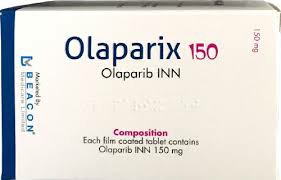
Olaparib (Olaparib) is an oral polyadenosine diphosphate ribose polymerase (PARP) inhibitor, which is widely used in the treatment of ovarian cancer, breast cancer, pancreatic cancer, prostate cancer and other malignant tumors related to BRCA mutations. As a targeted therapy drug, olaparib inhibits the progression of cancer by blocking the DNA repair pathway of tumor cells, making the tumor cells unable to repair damage and undergo apoptosis.
However, although olaparib is less toxic than traditional chemotherapy, it may still cause a variety of adverse reactions during clinical use. Most of these side effects are related to their pharmacological mechanisms, and common ones include bone marrow suppression, gastrointestinal reactions, fatigue, abnormal liver function, etc. Timely identification and scientific treatment of side effects are crucial to maintaining treatment compliance and prolonging patient survival.
2. Myelosuppression: the most important side effect to pay attention to
Myelosuppression is one of the most common adverse reactions of olaparib that requires close monitoring, mainly manifesting as anemia, neutropenia and thrombocytopenia. Clinical studies show that approximately 30% to 40% of patients may suffer from anemia of varying degrees, and some of them may require blood transfusions. Although neutropenia is often mild to moderate, if not managed, it may increase the risk of infection.
Countermeasures:
1.Regular monitoring of blood routine: It is recommended to check blood routine once a month in the initial stage of medication (first3 months), and then adjust the frequency of examination according to the condition.
2. Mild to moderate anemia or granulocytopenia: usually can be recovered by adjusting the dose or briefly stopping the drug, and can also be supplemented with nutritional support or drugs to stimulate hematopoiesis.
3.Severe bone marrow suppression (Grade 3-4): The drug should be stopped immediately and symptomatic treatment should be carried out, such as blood transfusion, use of granulocyte colony-stimulating factor (G-CSF), etc. After the blood picture recovers, it will be evaluated whether to resume medication or continue with dose reduction.
4.Long-term monitoring of myelodysplastic syndrome/Acute myeloid leukemia (MDS/AML) risk: Although the incidence is low, people who have been taking the drug for more than 2 years need to be more vigilant and regularly monitor blood picture changes.
3. Gastrointestinal adverse reactions: reasonable adjustment of medication methods and symptomatic treatment
Common gastrointestinal side effects of Lynparza include nausea, vomiting, diarrhea, loss of appetite and abdominal discomfort, among which nausea and vomiting are the most common, occurring in about60% of patients in the early stages of medication. Most of them are mild to moderate and will not affect long-term medication, but if not treated in time, they may affect patient compliance.
Countermeasures:
1. Take medication regularly with food: It is recommended to take Lynparza with or after meals, which can significantly reduce gastric irritation.
2.Use antiemetic drugs: For patients with persistent nausea and vomiting, antiemetic drugs such as 5-HT3 receptor antagonists can be used under the guidance of a doctor.
3.Maintain a good water and electrolyte balance: If diarrhea occurs, appropriate fluids should be added, antidiarrheal drugs (such as loperamide) can be used if necessary, and kidney function should be monitored.
4.Gradual adaptation and psychological counseling: Some patients’ gastrointestinal reactions will naturally lessen after taking the medication for 2~4 weeks. Appropriate psychological support is required to avoid unauthorized discontinuation of medication due to discomfort.
4. Fatigue, fatigue and abnormal liver function: Pay attention to monitoring and individualized management
Fatigue and fatigue are another common side effect during olaparib treatment. Some patients describe "persistent physical decline" or "poor mental state", which usually occurs in the early stages of treatment. Although mostly mild to moderate, it may affect the quality of life for cancer patients receiving long-term treatment.
Countermeasures:
1.Exclude other causes: First, it is necessary to distinguish whether fatigue is caused by anemia, malnutrition or the tumor itself.
2.Regular work and rest and moderate exercise: Proper rest and light aerobic exercise can help improve fatigue.
3.Adjust the dosage if necessary: If fatigue seriously affects your life, you may consider reducing the dosage or stopping the medication for a short period, and then resume medication after symptoms improve.
In terms of liver function abnormalities, olaparib may cause mild elevations of ALT and AST, usually without obvious clinical symptoms.
Countermeasures:
1.Regularly monitor liver function: Monitor liver function every month during the initial period of medication. If there are any abnormalities, further follow-up is required.
2. Mild elevation does not require discontinuation of medication: generally no special treatment is required, just continue to observe.
3. When it is significantly elevated or accompanied by symptoms: the drug needs to be stopped and liver-protective treatment is required. After symptoms recover, the dosage can be reduced and re-used as appropriate.
5. Other rare adverse reactions that require attention
Lynparza may also cause some relatively rare adverse events, such as:
1. Pulmonary toxicity: A very small number of patients develop interstitial pneumonia or pulmonary inflammation. If persistent cough or difficulty breathing occurs, the drug should be discontinued immediately and imaging examinations and pulmonary function evaluation should be performed.
2.Skin rash and allergic reactions: Most are mild and can be relieved with antihistamines or topical treatment. Severe allergies require discontinuation of medication.
3. Changes in renal function: Since olaparib is partially metabolized by the kidneys, renal function needs to be monitored regularly, especially in elderly patients or those with underlying renal disease.
Overall, most of the adverse reactions of olaparib are mild to moderate and reversible. With regular monitoring, reasonable dosage adjustment and timely symptomatic treatment, most patients can continue to use the drug safely and long-term. In clinical practice, a standardized follow-up and monitoring mechanism should be established to strengthen doctor-patient communication, help patients fully understand possible side effects and treatment methods, and avoid interrupting treatment due to side effects. For patients, scientific response to side effects can not only improve the quality of life, but also help maintain the continuity and overall efficacy of treatment.
Reference materials:https://www.drugs.com/
[ 免责声明 ] 本页面内容来自公开渠道(如FDA官网、Drugs官网、原研药厂官网等),仅供持有医疗专业资质的人员用于医学药学研究参考,不构成任何治疗建议或药品推荐。所涉药品可能未在中国大陆获批上市,不适用于中国境内销售和使用。如需治疗,请咨询正规医疗机构。本站不提供药品销售或代购服务。


